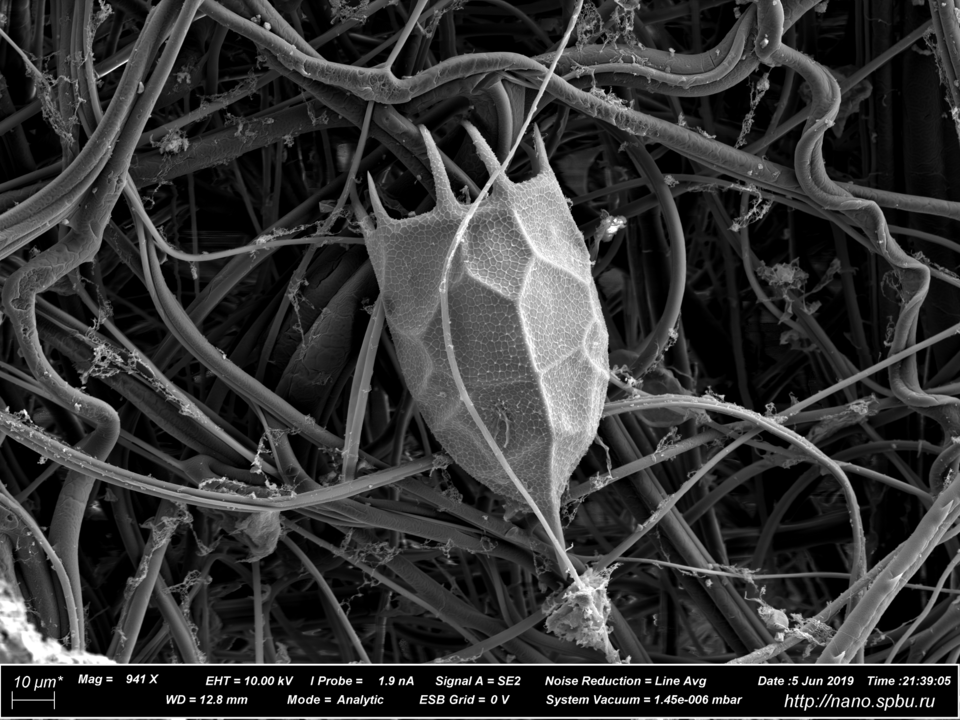
Why I love these tiny organisms
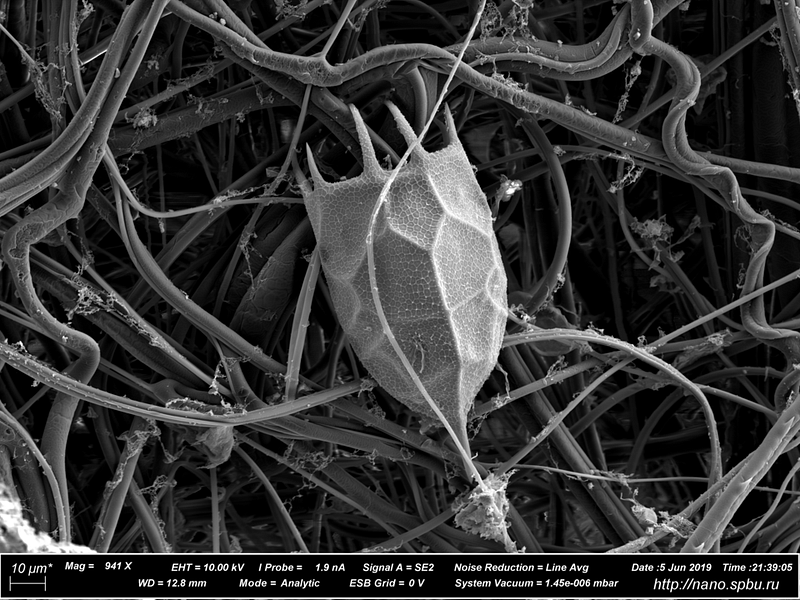
Tiny creatures that are made of about one thousand cells, but are bigger than some single-celled organisms, rotifers are endlessly fascinating.
First of all, they have literal superpowers.
Horizontal Gene Transfer
Rotifers are so named for the Latin “rota,” which means wheel, and “behr,” which means “carry.”
When I heard that their name means this, I immediately thought of Philip Pullman’s book The Amber Spyglass. In Pullman’s book, an alien race of creatures from another dimension have a symbiotic relationship with a tree-like plant that has wheel-like seed pods, giving the creatures the appearance of having wheels.
While their wheel-like teeth or cilia are often cited as the source of their name, I think of rotifers more as aliens who come bearing a technology akin to the wheel.
Also like aliens from science fiction, Rotifers have the ability to edit their own DNA and the DNA of other creatures, by borrowing traits from organisms so diverse that they span all five kingdoms: Animalia, Plantae, Fungi, Monera and Protista.
One specifically diverse class of rotifer is called Bdelloidea. It’s been speculated that as much as ten percent of its genome is horizontally transferred from other species.
Anyone remember the children’s book about a silly housekeeper named Amelia Bedelia? If I had a pet bdelloidea I would name it Amelia Bdelloidea.
Horizontal gene transfer can change the genetics of organisms must faster than inheriting genes from other species. Rather than taking many years, it can happen in as little as two hours.
Amazingly Diverse
Because the ability that rotifers have to transfer genes back and forth from other organisms, they are incredibly diverse.
For example, some species of rotifer reproduce sexually, and some reproduce asexually through parthenogenesis. Some species practice cannibalism and some don’t. They vary widely in body shape and size and are amazingly adaptive to their environments.
Tough as Nails
Rotifers have been found, living, after being frozen in ice for 24,000 years! Imagine being able to live that long and waking up after being frozen for that long! How different the world must be compared to when they were frozen?
Rotifers are able to enter a state of suspended animation called cryptobiosis. Cryptobiosis is basically like being able to cryogenically freeze yourself whenever you want, kind of like the aliens in Three Body Problem.
While they love water, rotifers can survive all kinds of extreme conditions. They can also, horrifyingly, convert microplastics into nanoplastics. This is being portrayed in the media as bad for the environment, but I’m not sure that it is.
Something that freaks me out is the idea that rotifers could theoretically make themselves look however they want. Maybe there are organisms on Earth today that used to be rotifers, and we just classify them differently because they look differently now?
It would appear that the closest thing to that so far is Acanthocephala, a species of parasitic worm that attaches itself to the intestines of vertebrates. These rotifer-descended animals are a bit like the aliens from Alien, in that they lay their eggs in the digestive system of their host and sometimes burrow their way out!
Rotifers are so powerful that I almost see them as Gods. Maybe if I pray to the rotifers, they will transfer some of their cool genes to me?
Maybe that’s not the best idea. What was it that Kant said about one who makes himself a worm?
 Esoteric Epistemology