This Robot Should Not Be Used As a Weapon of War 

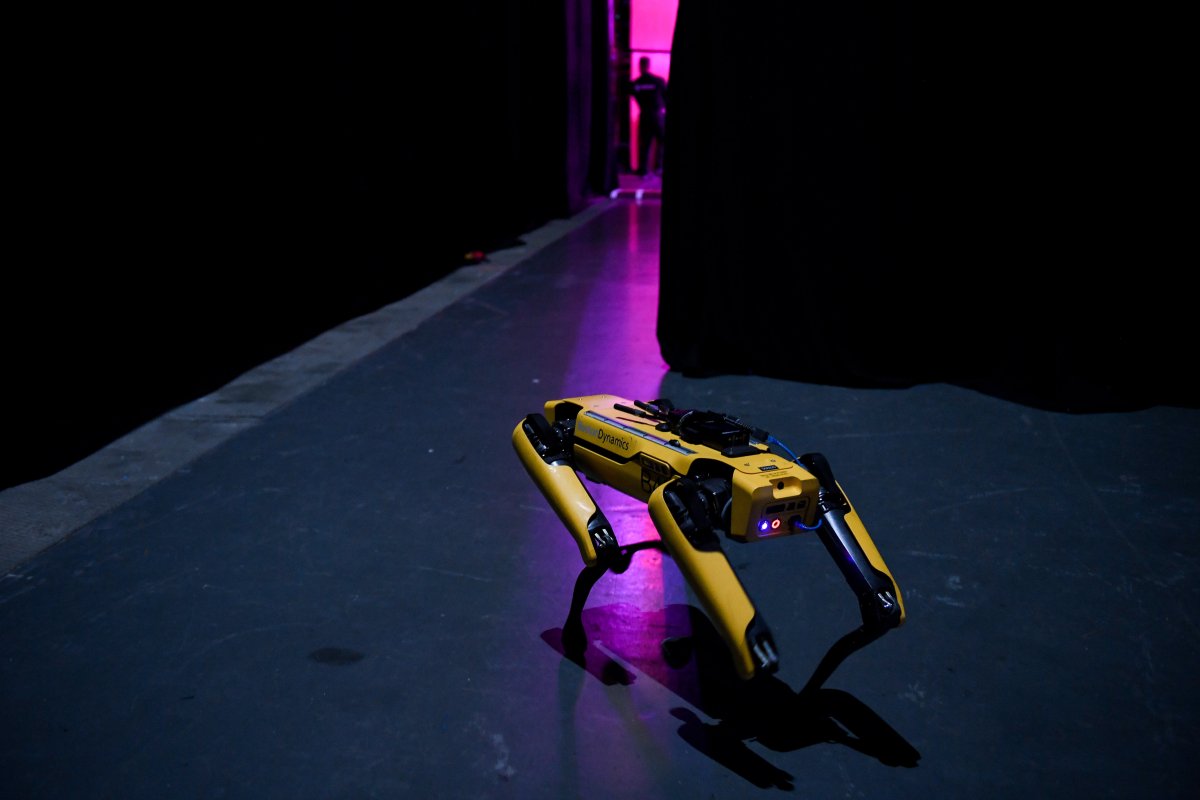
Spot, the Boston Dynamics robot in 2019

Why I see Spot’s future as more like a personal computer or car
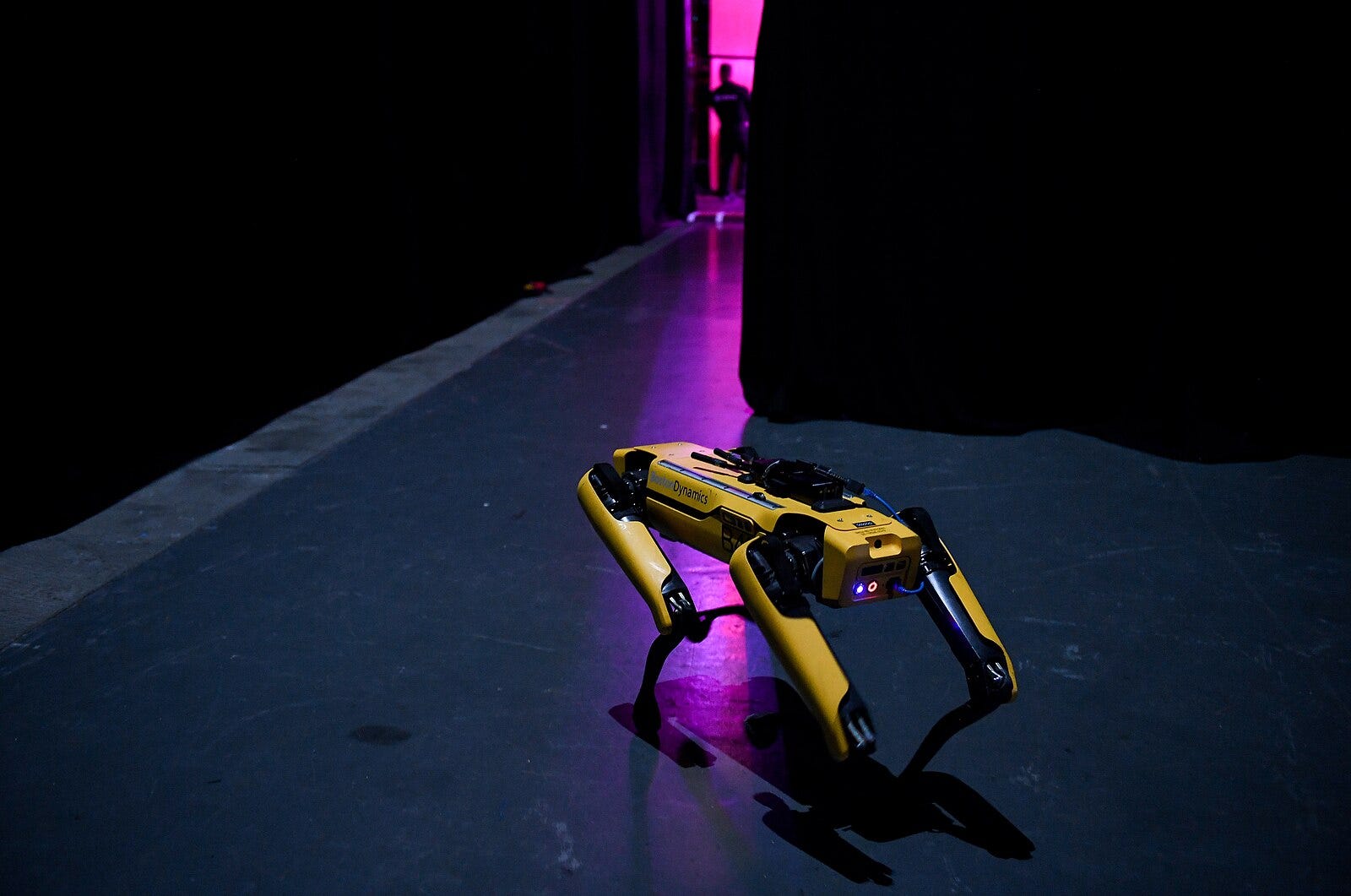
Spot, the Boston Dynamics Robot in 2019
Photo by Harry Murphy

I’ve been following the evolution of the robot “Spot” for several years now. A four- legged innovation on from the company Boston Dynamics, Spot is capable of balancing, traversing difficult terrain, and more. 

Spot now has a few competitors on the marketplace, such as the bots from Unitree Robotics, ANYBotics, and Ghost Robotics. It is currently being tested by various militaries for military applications.

I’ve seen videos of Spot dancing, and videos of similar robots used by the US military with guns strapped to them. I prefer the videos of Spot dancing. 

Open Dynamic Robot Initiative is providing a low-cost, open-source alternative to the competitors. 

I’m hoping that people continue working on this kind of robot in the spirit of open source and collaboration. I’d like to see these robots cheaper and available more widely. I also I don’t want them drafted into the military!

I see Spot and robots like it as a more likely candidate for personal transport. If the robots are electric, they could be a great alternative to wheelchairs, cars, bikes, and motorcycles. We could even build giant ones that could serve as public transportation like buses or trains. 

Right now, these robots are really expensive. They are definitely out of the price range of most regular people. I’m hoping to see a transition with these robots where they become more widely available for regular consumers to purchase, like we saw with personal computers after computers were first used more exclusively by scientists and the military. 

An all-terrain robot’s possible functions

This robot can go literally anywhere. That’s why I immediately recognize it as a great alternative to wheelchairs and other mobility devices for disabled people. 

It seems like it would be much easier to ride one of these things around and to be able to go up and down stairs or over terrain that isn’t flat than it would be to use a wheelchair. 

While I think disabled people should be given priority if personal transport robots become a thing, it would be great for the modern American who is lazy, too! Or for anyone who is trying to get anywhere, if they were made street legal.

Design concept: robot ponies

I imagine these robots essentially being used the way that horses, ponies, oxen and other beasts of burden have been used by humans for centuries. 

We should be able to ride them up and down the street, sidewalk, or bike lane at the speed of a plodding pony, a bicycle, or a car. We should be able to tie them up to charge in the sun in front of the bar like stopping to water your horse on the trail. We should be able to use them to pull a cart full of produce or a sleigh in the snow. 

I also thought it would be cool if designers designed these robots to look more like animals. These four-legged robots already look a lot like many animals, but the headless design is creepy and sterile. The addition to Spot of the robot arm that looks like a bit like a head and a neck gives it an appearance a bit like a giraffe, an emu, or brontosaurus. 

It would be fun to be able to add mods to your robot pony to make it look more like a real pony or even an imaginary animal like a dragon or a unicorn. That would make the use of these robots as personal vehicles even more fun. 

Rethinking how we use technology

Ethics are important in product design. It’s important to think about why we are creating something, especially when it comes to things that have the potential to change the world in massive ways, like robots. 

One thing that I learned from studying permaculture design is the concept of biomimcry. Biomimicry guides design methodology and ethics by observing and mimicking the patterns of the natural world. 

I think it would be cool if we designed infrastructure like transportation and technology like robots to mimic nature as well. That’s why I conceptualize Spot’s future as “Spot the cute pony” instead of “Spot the killing machine.” 

Still, nature contains killing machines too! Human beings would be silly enough to design something to resemble an animal that could’ve naturally evolved and then turn that thing into a predator.

Please, no murderous robots 

Philip K. Dick wrote a 1960 book called Vulcan’s Hammer in which robots become extremely powerful, controlling human society and slaughtering people when confused.

Netflix’s Black Mirror had an unsettling episode about a robot that looks similar to Spot going rouge and relentlessly hunting human beings through a post-apocalyptic wasteland. It is utterly terrifying to imagine these robots behaving like this in the real world. 

I prefer to imagine a world in which these robots are more like creative and colorful art cars from Burning Man. I’d like to see cities that are more walkable and with more accessible public transportation. And there’s no reason why our personal vehicles can’t be fun and beautiful in addition to being functional. 

Remember, product designers are driven by what consumers ask for, because they know that’s where the money is.

Personally, my design ethics demand robot ponies, not murderous K-9 units. 

Think hard about what kind of future you want to see. 
A Surprising Number of Animals Are Returning from Extinction 

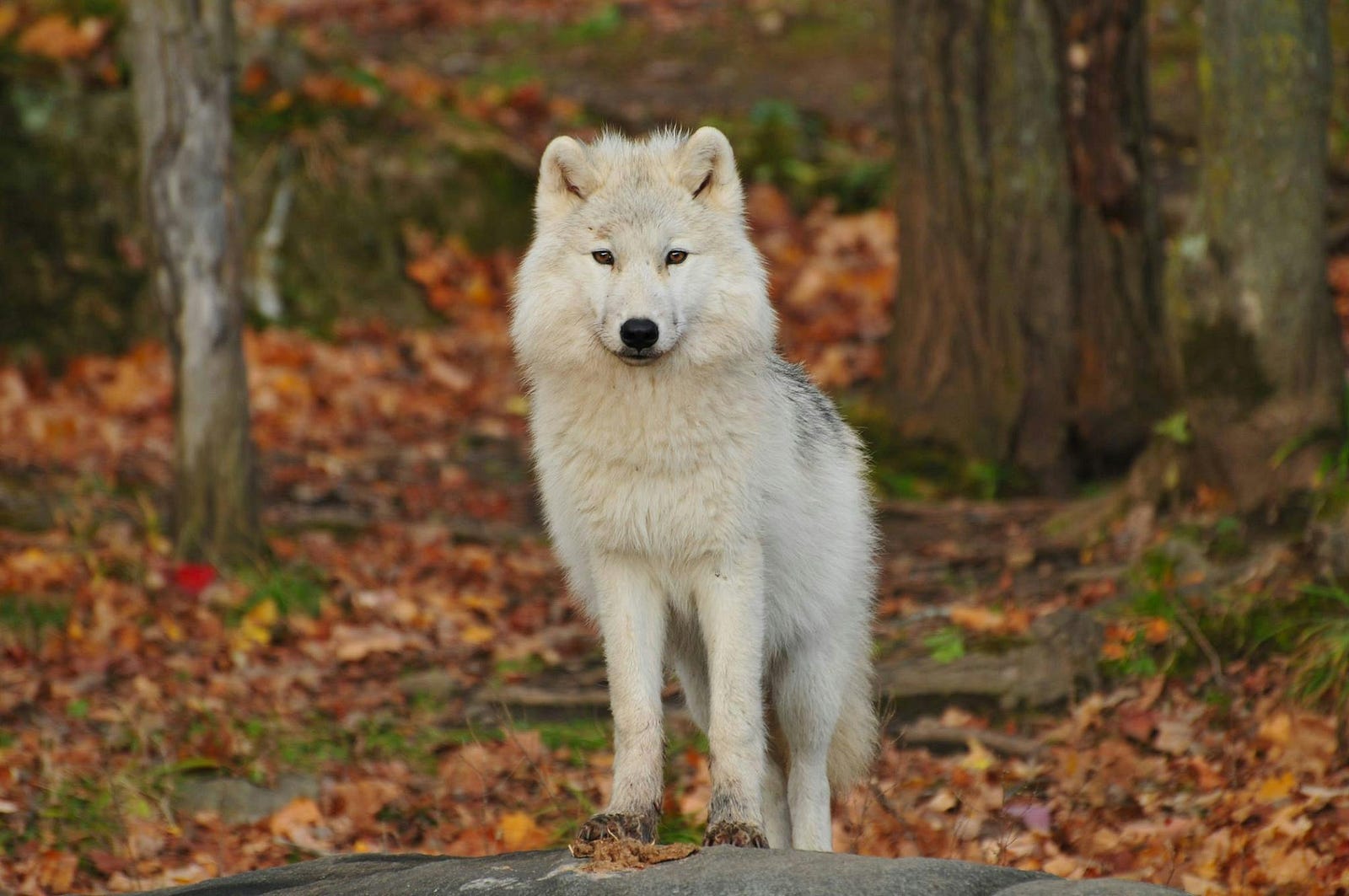
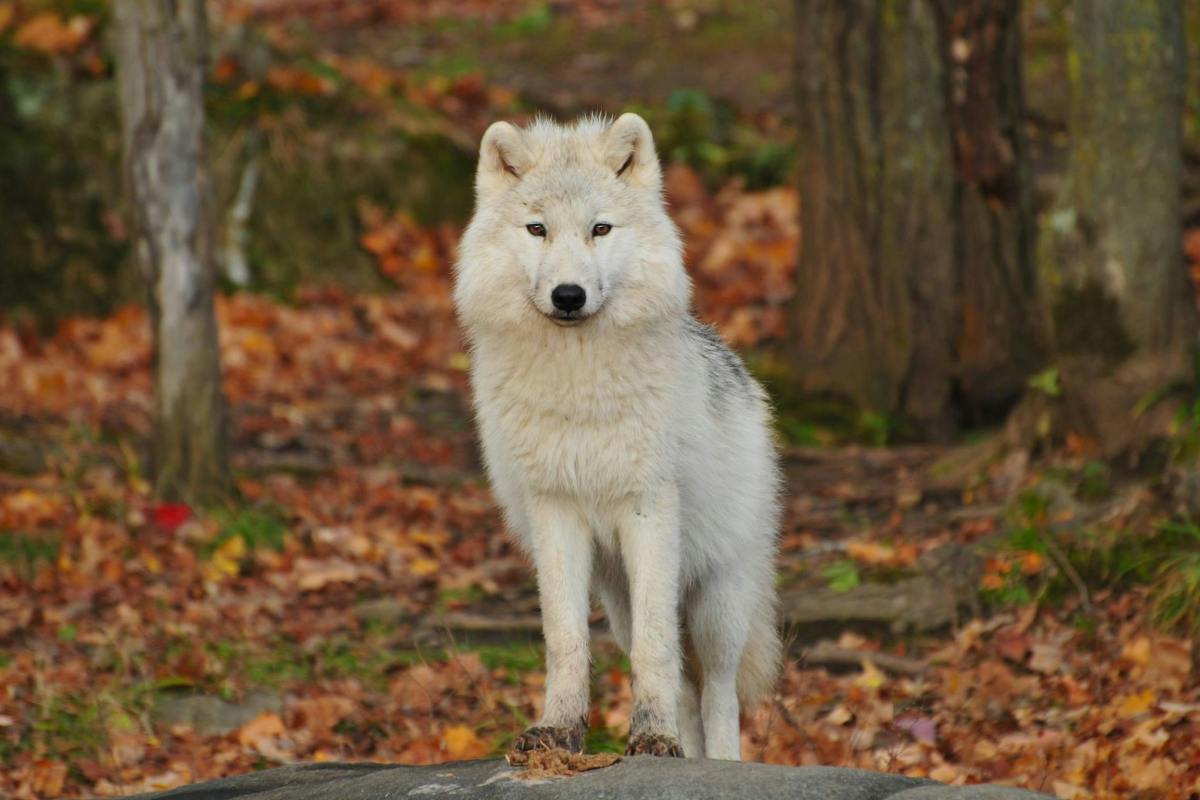
A white wolf standing in colorful fall leaves.

Earth’s biodiversity howls from beyond the grave

a white wolf staring into the camera against a backdrop of fall leaves
Photo by Steve on Pexels

As a resident of the planet Earth, I’ve been concerned about large numbers of animals and plants going extinct.

We are currently living through a mass extinction event. Scientists at the University of Zurich found that the current rates of animals and plants going extinct are between 100 and 1000 times greater than pre-human levels. They think that this discrepancy is largely caused by the actions of human beings.

This event is referred to by scientists as the Holocene extinction, Anthropocene extinction or Sixth mass extinction.

It’s been said before, but of course bears repeating: it seems like we should probably pay more attention to the effect that we are having on the environment as a species.

All this news of ecological destruction can be stressful. It’s a big, daunting problem, and it can be difficult to want to pay attention to it consistently because it’s so depressing. Fortunately, while I was looking into it, I found that there is also some better news on the horizon when it comes to Earth’s rapid loss of biodiversity.

While we might be losing some species, many other species are also making comebacks! Here’s a few examples of species that are rising from the grave.

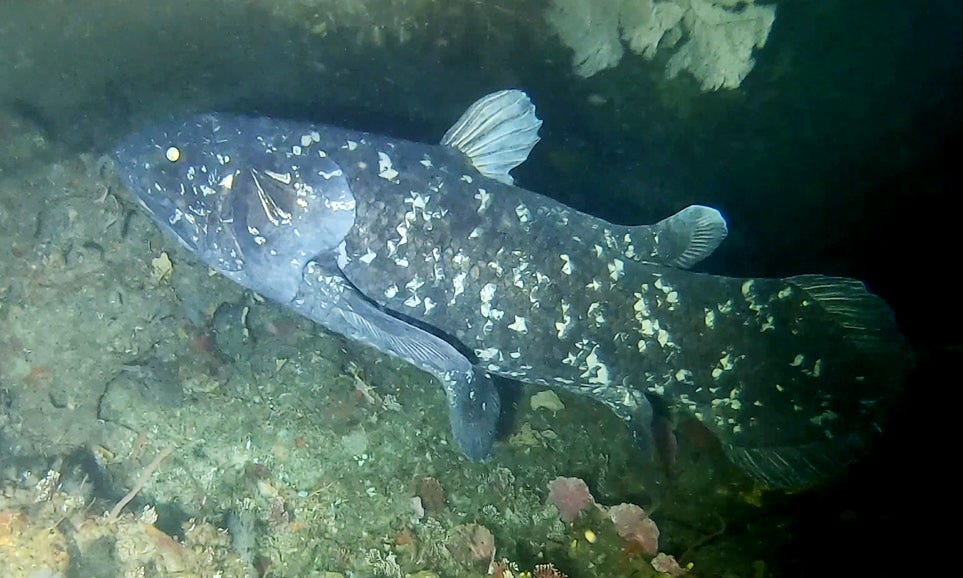
Coelacanth (Sarcopterygii)

Photo by Bruce Henderson on Wikimedia Commons

As a kid, I learned that these scaly fish were thought to be extinct for millions of years before a living specimen was captured in 1938.

Coelacanths are the animal that got me interested in cryptozoology. Cryptozoology is the study of animals that may or may not by mythical, like Bigfoot and the Loch Ness Monster.

Cryptozoologists are also interested in verified, real animals that once existed that may or may not be extinct today. Like conservationists, they often discuss species of animals that are currently threatened or endangered due to their small population.

Coelacanths changed the way that I view natural history as a whole. Learning about the return of this species made me skeptical of extinction claims made about any other species. They also made me less skeptical of scientific claims that cryptids are not always the stuff of legend and folklore. Some may be living animals currently unknown or little known to science!

Subscribe to continue reading

Become a paid subscriber to get access to the rest of this post and other exclusive content.

The Ship of Theseus and Human Identity


Are you still the same person you were yesterday?

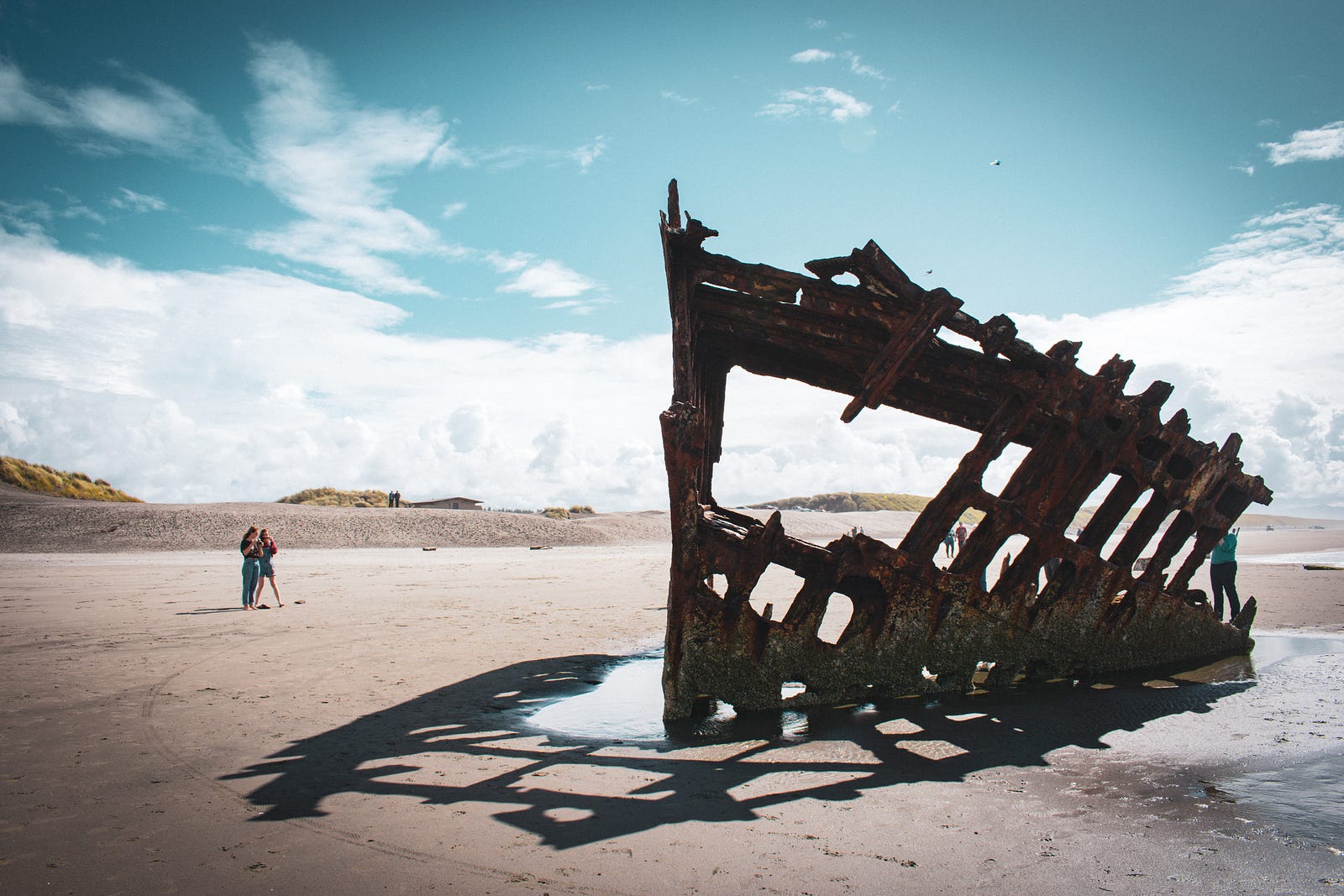
old shipwreck washed up on a beach with people looking at it
Photo by Vasiliki Volkova

The mythical hero and founder king of Athens, Theseus, sailed into battle on a famous ship. Legend has it that the ship, displayed in a museum, began to rot and gradually had its pieces replaced.

The Ship of Theseus is a philosophical thought experiment that can help us to understand the metaphysics of identity. The basic question that it raises is if an object which has had all of its fundamental components replaced is still the same object.

With all of its original pieces replaced, is the Ship of Theseus still fundamentally the same ship?

This idea has interesting and uncomfortable implications when applied to our theories about the human mind and body.

For example: would you dare to step into a Star Trek transporter? If your atoms were disassembled by a tractor beam, would it be the same person reassembled on the other side? Could you tell the difference? Does it matter?

In an age when science fiction seems to be transforming into science fact at an alarming rate, we can’t help but begin to wonder about things like the continuity of consciousness.

Futurists imagine a world where human beings might attain a state approaching functional immortality through the use of technology. Some theorize about a technological singularity, in which the human race fuses with and becomes indistinguishable from our technology.

One day, will we be able to upload our own consciousness into clones of ourselves, or artificial bodies with a much later expiration date than our flimsy human ones? If we were able to do something like this, would we still be human? Would still be ourselves? Does this idea of ourselves even hold water?

These ideas are explored in many places in modern media, particularly in works of science fiction.

In the 2015 film Advantageous, a mother considers transferring her mind into a younger body in order to serve as the spokesperson for a corporation offering this service.

In L. Frank Baum’s turn-of-the-century novel The Wonderful Wizard of Oz, the Tin Woodsman’s origin story remembers him as a human who had all of his limbs gradually replaced with tin. The question of whether he is still the same man, Nick Chopper, is a running joke throughout the story.

The Tin Man eventually meets another version of himself, created from his discarded flesh. Which one is the real Nick Chopper?

In the 1999 film Bicentennial Man, we watch a robot slowly transition towards humanity through the slow replacement of his parts, much like the Ship of Theseus. Robin William’s leading character, Andrew and the Tin Man share a similar problem: if they only had a brain!

Stories like these hint at the idea that the brain– particularly the prefrontal cortex– might be part of what makes us human.


There are many proposed solutions to the Ship of Theseus problem, and how we decide to answer this question says lot about how we see ourselves, our lives, and our future.

Here are a few possible answers:

No identity over time

This theory suggests that there is no continuous “ship” which exists across time, but rather that the ship in each instant is a separate ship, an event existing only for that moment. Do you see yourself this way, a different being from moment to moment?

Continual identity over time via final cause

The Ship of Theseus had a purpose, after all; transporting the hero into battle. This purpose is the ship’s final cause.

Aristotle had the idea that there were four causes or reasons for a thing to be:

The formal cause is the design of the thing, like the ship’s shape, or the way the bones of your skeleton hang together.

The material cause is the type of matter the thing is made of, like the ship’s wood, or the cells of your body.

The efficient or moving cause is the agent that changes the thing, like the passage of time rotting the ship’s wood, or the experiences of your life, shaping your character.

The final cause is the intended purpose of a thing or the mystical possibility of an oak tree that lurks inside of an acorn. This final cause is the essence and identity of the ship, its reason for existing in the first place.

You might relate the final cause of the ship to the meaning of your own life, your telos, your ultimate aim. This way of solving the problem suggests that the ship is the same ship, as a function of its intended purpose.

Gradual loss of identity

This theory suggests that perhaps the ship was once the same ship, but stopped being that ship as it began to decompose.

If our identity is a function of our purpose, what happens when that purpose is unclear? Are we still ourselves if we aren’t serving the same purpose that we once were? If the parts of ourselves which once made us ourselves are gradually replaced, have we lost the essence of who we are?

There is no ship

Conceptualism argues that the ship is just a concept we invented. The new ship and the old ship are separate concepts. They must not be the same ships, then. Otherwise, how would we compare these ideas?

You can think about yourself this way, too. One could similarly argue that you are just a concept that you invented. There is no “you” only your ideas about who and what “you” are.

So, what is the ship?

Nobody actually knows.

How do you choose to view your identity?

Are you a fleeting part of the “now,” existing only within this moment until you become something else in the next moment?

Are you a function of your purpose, an instrument of the reason why you exist or the ideas by which you choose to live?

Are you a gradually degrading being, becoming less and less you as you age and your concept of yourself becomes fuzzier?

Do you have an identity at all? Do any of us? Are we all “special, unique snowflakes” or “all part of the same compost heap?”

What are you?

We’re moving into a future where our ideas about our identity and our humanness are becoming more important. These questions are no longer just abstract food for thought to ponder in the moments when we feel ideologically confused.

The time is coming when we’ll have to make tangible, materialistic ethical decisions related to the abstract concepts of our selves, our identity, and our humanness. We’ll have to decide which choices we’ll make when it comes to the ethics of our technology and our conscious evolution as a species.

What will the future of humanity look like based on those choices?

Regardless of what happens with clones, cyborgs, AI, data clouds, or anything in the science-future of the world, we also have to consider our perspective on this when we make decisions in our daily lives.

Our beliefs and our behavior are closely tied to our identities. Our ideas about who, what, and why we are influencing how we live our lives and how we will feel about the choices we make.

Who are you?

Why are you?

What makes you, you?

Think about it.


Originally published on medium.com on October 29th, 2019.