
Negative stereotypes place vulnerable people at higher risk
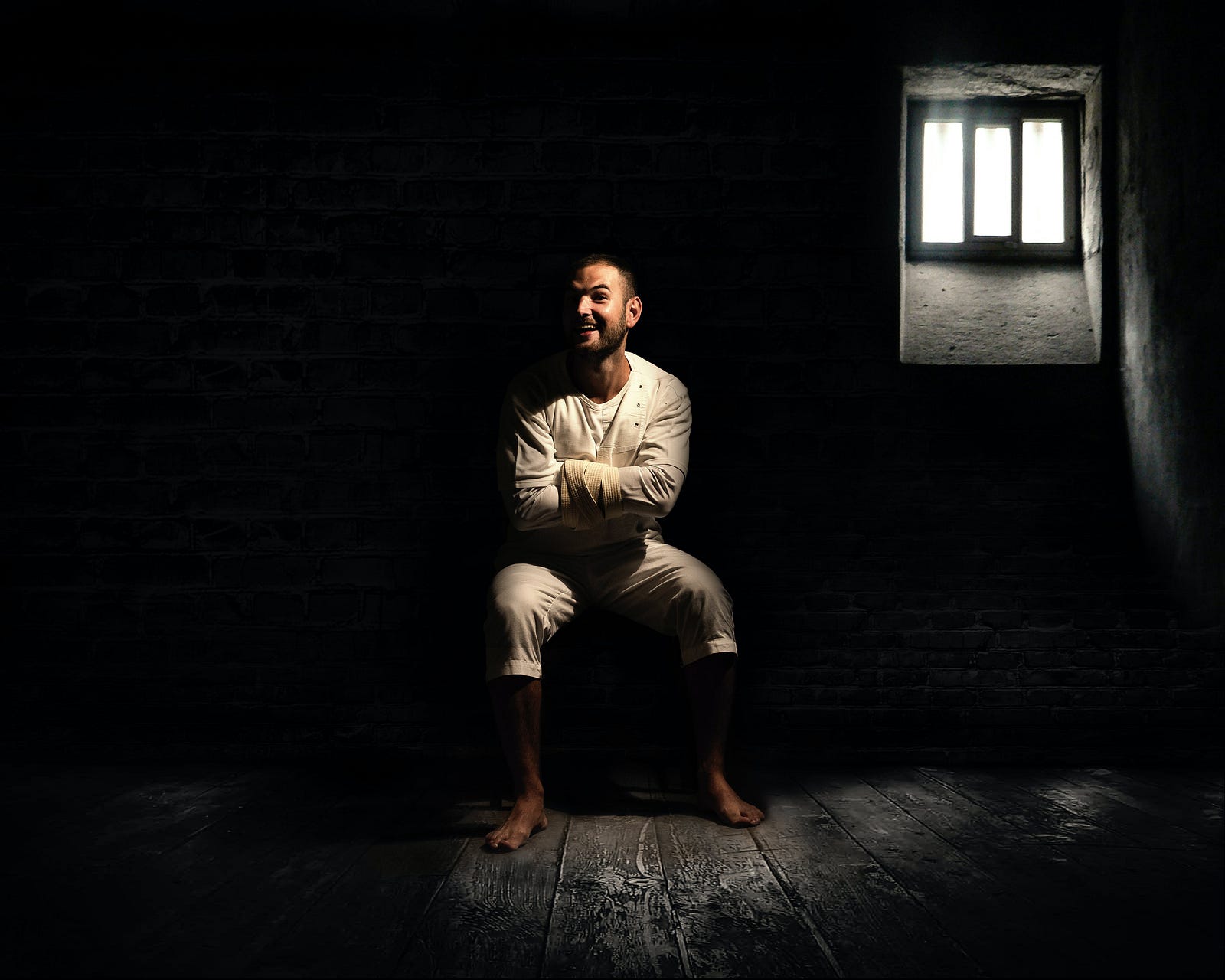
Billions of people worldwide suffer from mental illness.
While it’s true that people with mental illness are more likely to be violent than the general population, they are also more likely to be violently victimized than the general population. In fact, the average mentally ill person is more likely to be violently victimized than they are to be the perpetrator of violent acts. If they have some other identity characteristic that is stigmatized, like if they are black or trans, the risk gets even higher.
The images of mentally ill and otherwise neurologically disabled people presented by the media aren’t helping the situation. Mentally ill people are often depicted in a dehumanized way, as evil villains or as monstrous, beastly, out-of-control characters who are disposable to plot lines by virtue of their differences.
Mentally ill people are also often portrayed as helpless victims. This false dichotomy obscures the reality of mental illness. As someone who suffers from mental illness myself, I know that the vast majority of people who do are pretty normal people. Most of us aren’t scary monsters or scared, witless adult children, regardless of how we are portrayed in the media.
The media demonizes common mental health symptoms like psychosis, hypersexuality, or self harm, feeding into social stigmas surrounding these kinds of symptoms. This stigma makes it more difficult for people to talk about these symptoms. This makes it more difficult or frightening for people to seek treatment, which then leads to less people getting help for their illnesses.
We have to accept the reality, as mentally ill people, if we want to be functional, that we are both more likely to be dangerous, and more likely to be placed in dangerous situations. It’s also good for us and the people around us to have an awareness of how these realities affect our lives and how they can best support us for our own good, their own good, and the good of everyone around us.
Mentally Ill People Are More Likely to be Assaulted
Studies show that mentally ill people are more likely to be physically abused or sexually assaulted than the general population. We are also often targeted for property crimes, such as internet or phone scams that also target groups like the elderly.
Mentally ill people are more likely to be targeted for such crimes for multiple reasons. One of these is that, because mentally ill people are perceived as violent, it’s easier for an abusive person to blame their violence on the mentally ill person who is their victim. Mentally ill people are seen as less credible in general. We are less likely to be believed if we go to the police or to anyone to report a crime.
Mentally Ill People Are More Likely to be Shot by The Police
It’s estimated that between about one quarter and one half of all fatal police shootings involve someone with a mental illness. People with untreated mental illnesses are possibly as much as sixteen times more likely to be killed by law enforcement.
In a police encounter, it may be difficult for an officer to determine whether or not a person with a mental illness really is or isn’t a violent threat. This problem is exacerbated by racial factors.
Bad public policy creates a vicious cycle
A lack of public resources for things like mental health, housing, and addictions contributes to these problems.
When mentally ill people are violent, or when we become so sick that we are unable to care for ourselves, we often become the responsibility of the state. The state often seriously fumbles the care of vulnerable people with mental illness or other disabilities.
If someone doesn’t get treatment for their mental illness, often it will get worse. And if they are arrested for a violent crime or another crime due to their mental illness, incarceration often makes things worse instead of better. The standard of care for people with mental illnesses in jails and prison is very low. According to NAMI, around two thirds of people with mental illness don’t get proper care while incarcerated.
Fight the stigma
It’s vital to make sure that mentally ill people receive a high standard of care.
When people with mental illness receive a high standard of care, we are less likely to become dangerous towards ourselves or anyone else. We are also less likely to end up in danger ourselves. The best way to make sure that we get the care we need is to help the world see us as fully human and deserving of the same level of respect as other humans.
Remember that the schizophrenic man you see shouting racial slurs on the street corner is still a person. So is the woman who is huddled in an empty store doorway wrapped in wool blankets and talking to herself. So is your co-worker who has emotional outbursts. So is your family member who is so depressed that they can’t get out of bed.
We don’t stop being human because we are sick. Being sick isn’t a moral failing, or at least not a moral failing of the individual who is sick. Civilization is built on cooperation towards common goals, like the safety-and well being of everyone. If we cannot help people who are sick or otherwise incapacitated live healthy, normal lives, we are failing as a civilized society. We are failing at the very thing which makes us a civilized society.


 Esoteric Epistemology