
Americans would benefit from more diversity in their spirituality
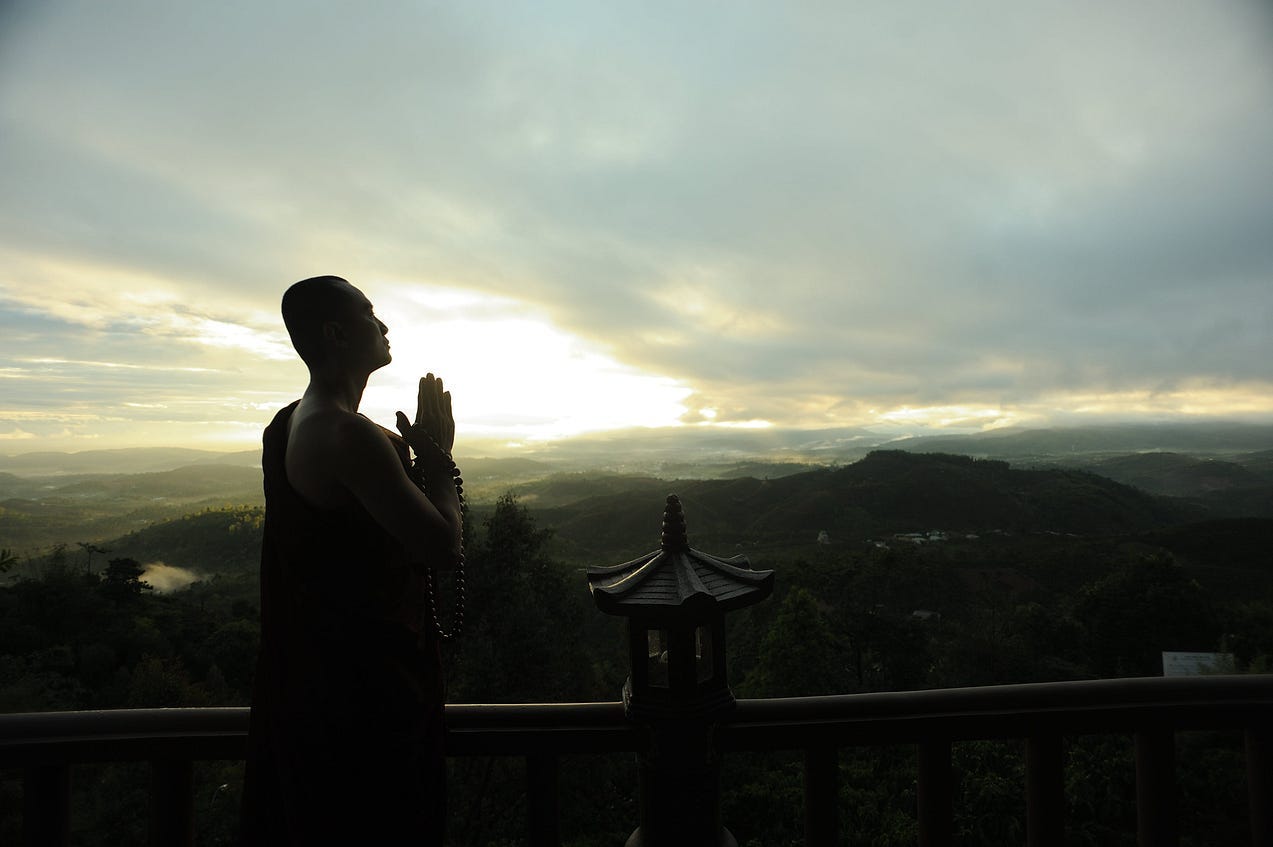
Photo by THÁI NHÀN
I feel like being a spiritual or religious person is almost becoming taboo in my culture. People who are really into their religions tend to be seen as eccentric by your average, reasonable person.
Religion can seem a little crazy to anyone who is rational, and I certainly understand why. But I think a lot of people are sort of missing the point when it comes to religion. This isn’t their fault! It’s based on a lack of education on the matter.
I think it’s time that religions like Hinduism, Buddhism, and Taoism made a serious comeback in the West. I’d like to see the histories of these religions taught in schools more. I’d also like to see their philosophies taught in colleges more alongside the plethora of Western traditions available to college students.
Religion isn’t really about the supernatural. It’s about the natural. It’s a way of explaining the vast beauty of the natural that is beyond human comprehension. Eastern traditions helped me understand that, and I think they have the potential to help many people understand that.
Religion, in general, needs a comeback
Religion can offer a lot of things that many modern Westerners are really missing in their lives, like a sense of purpose, stronger connections to their local and/or faith community, a higher degree of self-mastery, and a greater ability to understand oneself.
A lot of people are sort of burnt out on religion in the US, where I live. Some of them have had bad experiences with it. They aren’t very willing to consider it as a possibility when it comes to life changes that could have a positive effect on their quality of life or on their family or community.
Religion, when done right, in my opinion, should make you a happier and better person. It can and certainly has been done wrong throughout history. It has also been done right on many occasions.
Religions and religious people have also done an immense amount of good in the world. I believe that we are undervaluing this potential for good in modern societies, especially in the West.
Religion can be traumatic and a lot of people hate it
Something I’ve noticed about all religions is that they all tend to preach peace, but the folklore and history behind them always tends to be wrought with violence. I think that people misunderstand their religious texts and believe that the violence of the Gods is something that is meant to be wielded by human beings.
Many Americans have religious trauma from growing up in major religions like Christianity, Islam, or Judaism. There are also a variety of cults that reside in the West. I’ve met a lot of people who have left religions or cults, often complaining of things like sexual abuse, psychological abuse, or ideological hypocrisy.
Personally, I’m not totally clear on what separates a cult from a religion besides the number of followers. The two seem pretty similar to me. I think that most people join cults because they are looking for meaning in their lives. The negative social connotations around cults come from the fact that cults are often scams which advertise spiritual meaning but don’t provide it to their followers. Religions can, unfortunately, be the same.
All faiths have good things and bad things in their histories and current practices. There will always be predatory or sanctimonious people within pretty much all of these communities. There will always be religious groups that will be nonfunctional as far as giving people the personal answers they seek on their spiritual journeys.
Changing religions can help
Some people become atheists or agnostics when they leave religion, sometimes because they’ve lost their faith in God or the divine. People also sometimes do this because of the bad experiences they’ve had with being raised in a religion or cult or with joining a religion or cult as an adult.
Some people still believe in the divine or in God but don’t want to associate with the religion, cult, or other spiritual group that traumatized them or to be reminded of it. Or perhaps there are things about the belief system or religious practices of the person’s religious alma mater that just don’t sit right with them.
It’s possible to feel negatively towards religion because of certain experiences you’ve had but also to still benefit from religion and spirituality. Offering Eastern traditions to people in the West gives them the chance to experience religion, spirituality, and philosophical questioning in a new way that might feel or function better for them.
Eastern traditions mostly preach peace
While there is violence in both the scriptures and history of the East, just like there is in both the scriptures and history of the West, Eastern traditions have a big emphasis on peace and nonviolence. Many Buddhists and Hindus, for example, are vegetarians and are vegetarian as an act of compassion towards animals. These kinds of acts of compassion are encouraged in Eastern traditions.
Eastern traditions have a lot in common, philosophically, with Western traditions, like the idea that stealing or murdering is wrong or the idea that prayer will produce good results in your life. They really aren’t that different, but I think some people get confused about things like their personal ethics when they learn them from Western traditions.
Something about Eastern religions that drew me to them more than I was drawn to Western religions is that I found it easier to make a connection between the religious practices and the positive results in my life. Certainly, this kind of tangible connection is possible in any religion. A Muslim might get a sense of community and belonging from daily prayers with other Muslims. A Christian might find a sense of purpose by feeding homeless people or caring for the sick. A Jewish person might gain a sense of personal identity from their Bar Mitzvah rite of passage.
Religious diversity and tolerance are good things
I think that different religions have a better chance of causing tangible positive changes in people’s lives based on what kinds of practices and beliefs are best suited to them. Everyone is different.
For me, certain beliefs and practices ring true and serve me better more than other ones. I think this is true for many people, partly because of how there are differences in the ways that different people’s brains work and because people have different life experiences and preferences, more generally. It’s kind of like “learning styles”– certain people “learn” religion better in different ways because that’s how they are wire.
More diversity in religion and better tolerance of different religions and religious practices would, I think, give many people an incentive to pursue a spiritual path. Spiritual paths can be long and winding. They aren’t always happy or fun, and sometimes they can be scary or painful. Doing spiritual work in your life is worth these risks, and people deserve as many opportunities as they can get to do that work.
Eastern religions can cut out the middle man
One thing that led me to Eastern spiritual practice is the idea that practice is often possible without the aid of a priest, monk, or other religious official. Something that people often don’t discover for way too long of a stretch on their spiritual path is that the answers they are looking for are usually available through internal reflection.
Eastern traditions, like meditation, encourage the kind of internal reflection that is necessary for spiritual growth. They also don’t necessarily require that you go to church or consult some kind of guru in order to have a relationship with the divine. They encourage a relationship with the divine that I feel, at least for me, is more personal. I think that more Western religious leaders could and should take note of that and encourage that kind of divine relationship in the faithful who follow them.
No one can really tell you who you are, what to believe, or how to behave in the world. Only your God or Gods really truly have that power. If you’re an atheist or agnostic, one thing you might have an easier time doing than most religious people is recognizing the strength of your internal power.
Personally, I believe that God/s lives within all of us and that everyone has access to spiritual truth through their own thoughts, words, and deeds.
If Christianity or Islam hasn’t been working for you, try Buddhism or Taosim! If you’ve just left a religion or cult, try reading religious scripture or making up your own religious rituals. You might find that some of the things you previously found fulfilling or comforting about your spirituality are still there! You don’t have to give it up entirely.
If you’re an atheist or agnostic, and you’re looking for more structure or meaning in your life, I’d recommend giving spirituality or religion another try. A belief in an anthropomorphic or wrathful supreme being actually isn’t necessary. You might also find that many religious practices work great when applied to a secular lifestyle!
Westerners: please give the peaceful traditions of the East your attention and consideration. I can’t promise anything, but you might find something there, even if it wasn’t what you were looking for.
Previously published on wordpress.com and medium.com
 Esoteric Epistemology