The West Desperately Needs More Eastern Philosophy

Americans would benefit from more diversity in their spirituality
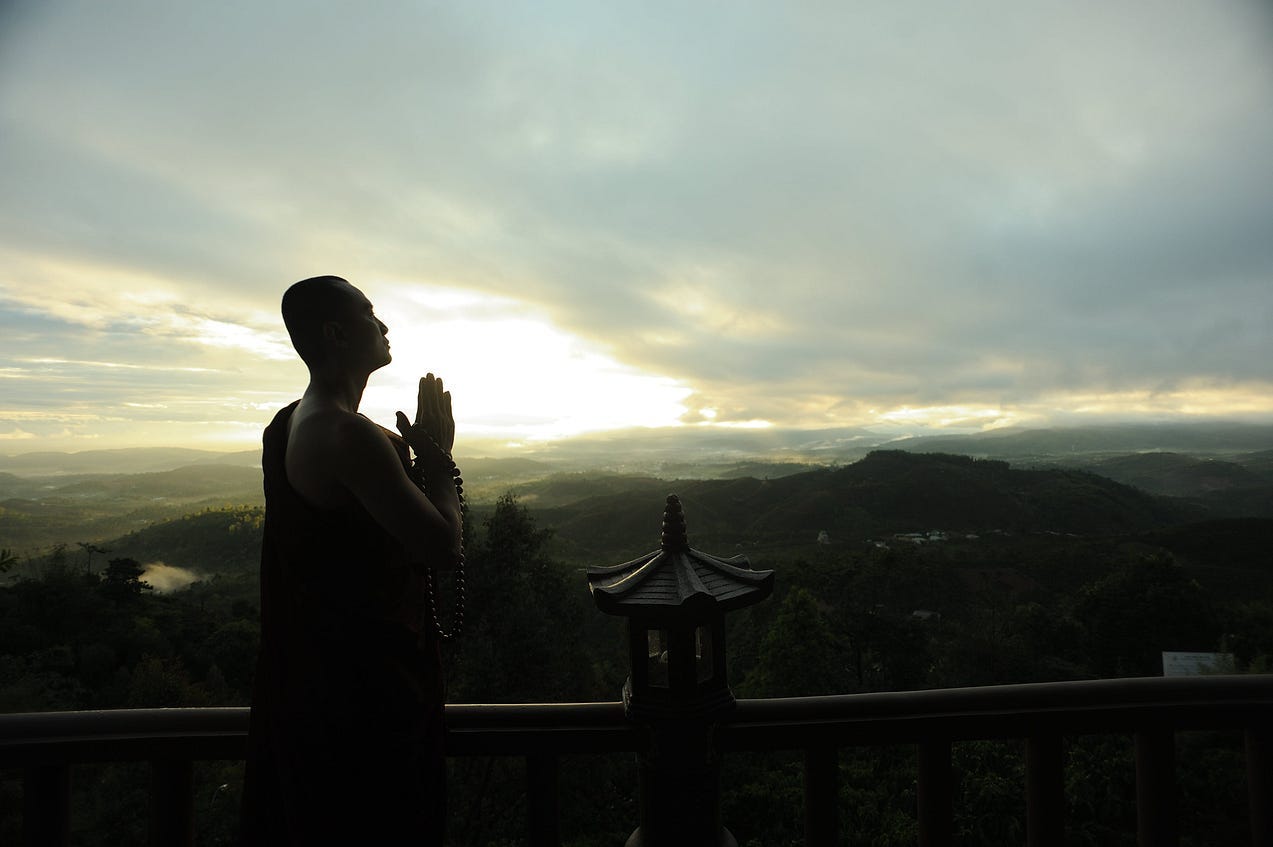
monk greeting the sunrise with “namaste”

Photo by THÁI NHÀN

I feel like being a spiritual or religious person is almost becoming taboo in my culture. People who are really into their religions tend to be seen as eccentric by your average, reasonable person.

Religion can seem a little crazy to anyone who is rational, and I certainly understand why. But I think a lot of people are sort of missing the point when it comes to religion. This isn’t their fault! It’s based on a lack of education on the matter.

I think it’s time that religions like Hinduism, Buddhism, and Taoism made a serious comeback in the West. I’d like to see the histories of these religions taught in schools more. I’d also like to see their philosophies taught in colleges more alongside the plethora of Western traditions available to college students.

Religion isn’t really about the supernatural. It’s about the natural. It’s a way of explaining the vast beauty of the natural that is beyond human comprehension. Eastern traditions helped me understand that, and I think they have the potential to help many people understand that.

Religion, in general, needs a comeback

Religion can offer a lot of things that many modern Westerners are really missing in their lives, like a sense of purpose, stronger connections to their local and/or faith community, a higher degree of self-mastery, and a greater ability to understand oneself.

A lot of people are sort of burnt out on religion in the US, where I live. Some of them have had bad experiences with it. They aren’t very willing to consider it as a possibility when it comes to life changes that could have a positive effect on their quality of life or on their family or community.

Religion, when done right, in my opinion, should make you a happier and better person. It can and certainly has been done wrong throughout history. It has also been done right on many occasions.

Religions and religious people have also done an immense amount of good in the world. I believe that we are undervaluing this potential for good in modern societies, especially in the West.

Religion can be traumatic and a lot of people hate it

Something I’ve noticed about all religions is that they all tend to preach peace, but the folklore and history behind them always tends to be wrought with violence. I think that people misunderstand their religious texts and believe that the violence of the Gods is something that is meant to be wielded by human beings.

Many Americans have religious trauma from growing up in major religions like Christianity, Islam, or Judaism. There are also a variety of cults that reside in the West. I’ve met a lot of people who have left religions or cults, often complaining of things like sexual abuse, psychological abuse, or ideological hypocrisy.

Personally, I’m not totally clear on what separates a cult from a religion besides the number of followers. The two seem pretty similar to me. I think that most people join cults because they are looking for meaning in their lives. The negative social connotations around cults come from the fact that cults are often scams which advertise spiritual meaning but don’t provide it to their followers. Religions can, unfortunately, be the same.

All faiths have good things and bad things in their histories and current practices. There will always be predatory or sanctimonious people within pretty much all of these communities. There will always be religious groups that will be nonfunctional as far as giving people the personal answers they seek on their spiritual journeys.

Changing religions can help

Some people become atheists or agnostics when they leave religion, sometimes because they’ve lost their faith in God or the divine. People also sometimes do this because of the bad experiences they’ve had with being raised in a religion or cult or with joining a religion or cult as an adult.

Some people still believe in the divine or in God but don’t want to associate with the religion, cult, or other spiritual group that traumatized them or to be reminded of it. Or perhaps there are things about the belief system or religious practices of the person’s religious alma mater that just don’t sit right with them.

It’s possible to feel negatively towards religion because of certain experiences you’ve had but also to still benefit from religion and spirituality. Offering Eastern traditions to people in the West gives them the chance to experience religion, spirituality, and philosophical questioning in a new way that might feel or function better for them.

Eastern traditions mostly preach peace

While there is violence in both the scriptures and history of the East, just like there is in both the scriptures and history of the West, Eastern traditions have a big emphasis on peace and nonviolence. Many Buddhists and Hindus, for example, are vegetarians and are vegetarian as an act of compassion towards animals. These kinds of acts of compassion are encouraged in Eastern traditions.

Eastern traditions have a lot in common, philosophically, with Western traditions, like the idea that stealing or murdering is wrong or the idea that prayer will produce good results in your life. They really aren’t that different, but I think some people get confused about things like their personal ethics when they learn them from Western traditions.

Something about Eastern religions that drew me to them more than I was drawn to Western religions is that I found it easier to make a connection between the religious practices and the positive results in my life. Certainly, this kind of tangible connection is possible in any religion. A Muslim might get a sense of community and belonging from daily prayers with other Muslims. A Christian might find a sense of purpose by feeding homeless people or caring for the sick. A Jewish person might gain a sense of personal identity from their Bar Mitzvah rite of passage.

Religious diversity and tolerance are good things

I think that different religions have a better chance of causing tangible positive changes in people’s lives based on what kinds of practices and beliefs are best suited to them. Everyone is different.

For me, certain beliefs and practices ring true and serve me better more than other ones. I think this is true for many people, partly because of how there are differences in the ways that different people’s brains work and because people have different life experiences and preferences, more generally. It’s kind of like “learning styles”– certain people “learn” religion better in different ways because that’s how they are wire.

More diversity in religion and better tolerance of different religions and religious practices would, I think, give many people an incentive to pursue a spiritual path. Spiritual paths can be long and winding. They aren’t always happy or fun, and sometimes they can be scary or painful. Doing spiritual work in your life is worth these risks, and people deserve as many opportunities as they can get to do that work.

Eastern religions can cut out the middle man

One thing that led me to Eastern spiritual practice is the idea that practice is often possible without the aid of a priest, monk, or other religious official. Something that people often don’t discover for way too long of a stretch on their spiritual path is that the answers they are looking for are usually available through internal reflection.

Eastern traditions, like meditation, encourage the kind of internal reflection that is necessary for spiritual growth. They also don’t necessarily require that you go to church or consult some kind of guru in order to have a relationship with the divine. They encourage a relationship with the divine that I feel, at least for me, is more personal. I think that more Western religious leaders could and should take note of that and encourage that kind of divine relationship in the faithful who follow them.

No one can really tell you who you are, what to believe, or how to behave in the world. Only your God or Gods really truly have that power. If you’re an atheist or agnostic, one thing you might have an easier time doing than most religious people is recognizing the strength of your internal power.

Personally, I believe that God/s lives within all of us and that everyone has access to spiritual truth through their own thoughts, words, and deeds.

If Christianity or Islam hasn’t been working for you, try Buddhism or Taosim! If you’ve just left a religion or cult, try reading religious scripture or making up your own religious rituals. You might find that some of the things you previously found fulfilling or comforting about your spirituality are still there! You don’t have to give it up entirely.

If you’re an atheist or agnostic, and you’re looking for more structure or meaning in your life, I’d recommend giving spirituality or religion another try. A belief in an anthropomorphic or wrathful supreme being actually isn’t necessary. You might also find that many religious practices work great when applied to a secular lifestyle!

Westerners: please give the peaceful traditions of the East your attention and consideration. I can’t promise anything, but you might find something there, even if it wasn’t what you were looking for.


Previously published on wordpress.com and medium.com

Why I’m Against Mandatory Arrest Laws

Laws that mean well sometimes have unintended consequences

Photo by Kindel Media

Mandatory arrest laws ostensibly exist to protect victims of violence. They are designed to send the message that domestic violence is intolerable and will result in immediate consequences. While mandatory arrest laws seem to have been born of good intentions, in practice, they often have negative results. They amplify the existing systemic racism in the criminal justice system, and they can also negatively impact the victims of crimes in a variety of ways.

These laws don’t actually keep survivors safer. Instead, they create many incentives that actually discourage survivors from reporting abuse. I also oppose these laws for a purely practical reason: they fail to effectively interfere in the cycle of violence.

Survivors don’t always want their abuser arrested

People who are in intimate partnerships with their abusers may have complicated feelings. They don’t want to be harmed any more, but they may also not want any harm to come to their abuser. This may cause them to change their minds about wanting their abuser arrested if that was even something that they wanted in the first place.

The pro-mandatory arrest argument is that abusers should be arrested anyway because domestic violence is cyclical. They are likely to repeat the abuse, and the abuse is likely to escalate in the future. Some mandatory arrest laws also include a “no-drop” policy, which prevents charges against the abuser from being dropped if the survivor decides not to pursue them later on.

Mandatory arrests take the power of choice away from the survivor

Someone who has been in a manipulative, controlling relationship or who has been subjected to physical or sexual abuse may already have been traumatized by circumstances that have stripped them of their agency and autonomy. Being deprived of choices during the legal response to an abuse situation can create additional trauma for the survivor.

The survivor may also be physically dependent upon their abuser. If two incomes are necessary to make ends meet in a household, and the abuser goes to jail, the survivor may end up behind on bills or even homeless. Because of all of these factors, the knowledge that the abuser is guaranteed to be arrested may prevent victims from seeking help from law enforcement.

Survivors don’t want to be arrested

Another argument against mandatory arrest is the fact that survivors will sometimes become violent or aggressive themselves in their efforts to defend themselves against the abuse. While most reasonable people would find some degree of this kind of reactive violence to be morally justifiable, existing social stereotypes about overly emotional or “hysterical” women can create social and legal disadvantages for survivors in these situations.

As Mary Anne Franks explains in her discussion of “Stand Your Ground” vs. “Battered Women’s Syndrome” defenses to charges of violence, the social and legal responses to people who use violence in self-defense are gendered.

Men are celebrated and encouraged when they use violence in self-defense, whereas women are shamed

A woman is more likely to be judged as “crazy” or “out-of-control” if she resorts to the use of force, regardless of the circumstances. If they choose to defend themselves, mandatory arrest laws may lead to the arrest of the survivor. Not only can this be deeply traumatic, it can also have other consequences.

Because of stereotypes about women who use violence, it may also be more difficult for a woman in this situation to defend herself in court. If the survivor and the abuser have children together, and both the survivor and the abuser go to jail, custody of their children may go to the state. The survivor may lose their job or housing as a result of their arrest, and be unable to support themselves or their children independent of their abuser. They may end up with a violent crime on their criminal record, limiting their future options for things like housing, education, employment, or parental rights, even though they were acting in self-defense.

Mandatory arrest laws are racist

People of color, specifically the Black community, have a complicated relationship with the justice system in general. Some argue that mandatory arrest laws protect all women equally because all women suffer gendered discrimination regardless of race. This argument ignores the fact that the criminal justice system does not provide as much protection for Black women as it does for white women.

When a Black woman makes allegations of abuse, she is less likely to be believed by police, and even less likely if she is poor, pregnant, or an addict. If she responds to the abuse with physical force, she is more likely to be judged as the aggressor, and thus more likely to be arrested herself. The consequences of being arrested may also be more severe for a Black woman, as she may be treated with less fairness by the criminal justice system.

Black men are more likely than white men to be taken seriously as the perpetrators of violent crimes, especially if the victim is a white woman. A Black man is more likely to be killed by the police in a chaotic situation and is more likely to face severe legal consequences for a violent crime than a white man. When a Black woman calls the police, she may feel torn between her need to escape interpersonal violence and her need to protect her family and community from police violence.

Mandatory arrest laws don’t work

While science has shown that mandatory arrest laws reduce recidivism in the short term, this is deceptive. Domestic violence is a systemic problem at both social and political levels, and these policies fail to address the root causes of the problem.

The laws don’t address the cultural history of men holding a socially dominant position over women, or the resulting sense of entitlement that men may have to power over women’s bodies or authority over women’s lives. They don’t address the social stigma surrounding being a survivor of violence. They also don’t provide survivors with the resources they need to maintain independence. Instead, these laws may lead to situations where the survivor becomes more dependent upon their abuser.

These laws may also cause survivors to become entangled in a criminal justice or family court system that does not effectively address their needs. They uphold existing structures of patriarchy and white supremacy, re-enforcing a cultural attitude towards survivors of violence which is both painfully misinformed and counter-productively paternalistic.

Aside from being morally problematic, mandatory arrest laws simply don’t work.


Originally published on medium.com on June 26th, 2021. 

Seven Places Where Slavery Still Thrives Around the World Today

And what you can do about it

fruit pickers working in a field
Photo by Tim Mossholder

While slavery might seem like a horrible relic of the past, the truth is that there are more slaves living on Earth today than at any other time during the history of our species. Part of this is due to population growth, but many people living in third world countries are ignorant of the other reasons why so many slaves exist in the world today. 

There are around fifty million slaves alive on Earth. It’s difficult to get an accurate count. 

Our current global economy cannot exist as it currently functions without slavery. Every industry that brings us a good quality of life in the first world is built on the backs of human slaves in the third world and on the bottom socioeconomic rungs of more developed countries. This is simply an unsustainable situation and it cannot continue forever. 

For thousands of years, people around the world have demanded a higher degree of human and civil rights. Things like slavery and the movements for their abolition have helped to spur these kinds of movements. It is my hope that we will evolve morally enough as a species to be able to abolish or at least substantially reduce slavery in a meaningful way. 

1. Prisons

Prisoners in many countries are forced or coerced into working for less than the minimum wage of their countries, or for no money at all. Prisoners are often subjected to inhumane and unsafe working and living conditions. 

While completely legal in most cases, prison work programs often amount to what is basically slavery by all meaningful definitions of the word. According to the ACLU, 70% of prisoners are not even able to afford basic necessities of life within prison with their prison wages. Seventy-six percent report being forced to work under the threat of additional punishment. 

2. The Garment Industry

Garment workers, who are usually women and children, are often subjected to long hours without breaks. Workers are sometimes forced into contracts that they can’t leave in the middle of without sacrificing all of their earnings. 

“Fast fashion,” or the manufacture of cheap, low-quality clothing en masse, hugely drives human slavery on a global scale. This kind of marketing strategy is referred to as “planned obsolescence,” which basically just means, “made to break.” That crappy T-shirt you bought last week that already ripped at the seam? That seam may have been stitched by child slave labor. 

3. The Mining Industry

The mining industry is one of the most dangerous and environmentally destructive industries on earth. It’s incredibly dangerous. Working a mining job puts you at risk of a serious accident and of long term health problems from working under hazardous conditions. Miners often do things like inhaling toxic chemicals on a daily basis. 

Children are often employed as miners. Many of the products that most of the world uses on a daily basis depend on mining for their production. One horrifying example of this is the cobalt industry. 

The cobalt industry seems almost to be a continuation of the stomach-churning abuses in the rubber industry that took place in the same parts of Africa, decades prior to cobalt being used for laptops and cell phones. The working conditions of both child and adult workers mostly amount to exploitation at best and slavery at worst in both situations. 

4. The Agriculture Industry 

Like miners, agriculture workers are exposed to a lot of toxic chemicals, often from pesticides. They often also work long hours for minimal pay, often under a hot sun. Fruit picking is repetitive and boring labor, but it’s one kind of labor that machines can’t quite do just yet. Robots are, as of yet, unable to tell when a piece of fruit is ripe as well as a human can. 

Agriculture workers who work in slaughterhouses run the risk of injuring themselves with the machinery and tools used in the trade. It’s also traumatic working in this industry because of the way the animals are treated in addition to the terrible working conditions. 

In the United States, many immigrants from South and Central America end up working in the agriculture industry, either as fruit pickers or as slaughterhouse workers. They do the difficult jobs that no one else wants to do, and then are sometimes even imprisoned or deported, having committed no other crime than working hard and seeking a better life for themselves and their families. 

5. The Sex Industry

The sex industry is global, huge, and very morally complicated. Many sex workers are voluntary participants in their trade, or have no other better options available to them. Many do not want to be “saved,” or removed from the industry and forced to work other jobs. 

Women leaving the sex industry are often “rescued” and then enslaved again in the garment industry. They often resent this, rather than being grateful for it, because they make less money and are treated similarly poorly by management.

At the same time, many people are forced or coerced into the sex trade. Many people who do sex work voluntarily are also raped and sexually abused. Sometimes they are otherwise harassed and threatened due to their participation in it. 

6. Adoption and Surrogacy

Adoption and surrogacy is another very morally complicated area of the global economy. While adoption and surrogacy sometimes work out great for everyone involved, and while many healthy families come out of these kinds of agreements, there is also slavery and abuse rampant in the industry. 

Sometimes women will have their babies stolen and sold on the black market. Sometimes surrogates or birth mothers are coerced into agreements that they don’t understand or aren’t in full agreement with. 

Sometimes people choose adoption because they aren’t able to raise a child, even though they don’t really want to give up their baby. Sometimes people choose to be surrogates or sperm or egg donors in exchange for money when they have no other options available to them. 

Because of the delicate and personal nature of this industry, and because there are so many legal gray areas around it, the potential for abuse is high. 

7. Forced Marriage 

It’s estimated that around fifteen million people in the world are living in forced marriages. Many of the people forced into marriages are children. 

While forced marriages are illegal in many places, they still happen extremely often. This is often in service of upholding cultural or religious traditions, but sometimes is also due to economic pressure. A child may be sold into a marriage to keep the rest of the family afloat financially, for example. 

Slavery is everywhere — what can we do? 

There are a few things you can do to make the situation better! You can do research about the products that you buy and where they come from. Vote with your dollars and support brands who care about labor ethics. 

You can also reduce your consumption of consumer goods overall. Do you really need that extra sweater, just because it was on sale? Think about what you are buying and why. Take an inventory of the things you own and think about how often you use each thing. When you buy gifts for people, think about what they actually need and will use. 

You can also reuse and recycle things more. Coffee grounds make great fertilizer for your roses and egg cartons make great planters for seedlings. 

I also think it would be awesome if everyone would take the time to learn about what slavery is like from people who have actually been through it. It’s one thing to read a history book about something like colonization in India or chattel slavery in the United States, but there are many people alive today who have actually been enslaved, and their stories, in my opinion, are more relevant to discuss today. That said, learning and remembering history is very important. 

Don’t Forget

Be grateful for what you have. Remember that someone probably worked just as hard as you did to get it, just to create conditions where it was possible for you to have it in the first place. Offer your positive thoughts and prayers to people who are still trapped in slavery. Try to be understanding and compassionate towards people who have lived through it. 

The world today truly does run on slavery, but it doesn’t have to be that way. Don’t forget that slaves still exist! 

Don’t Shrink For Anyone

Pride is just as important as humility

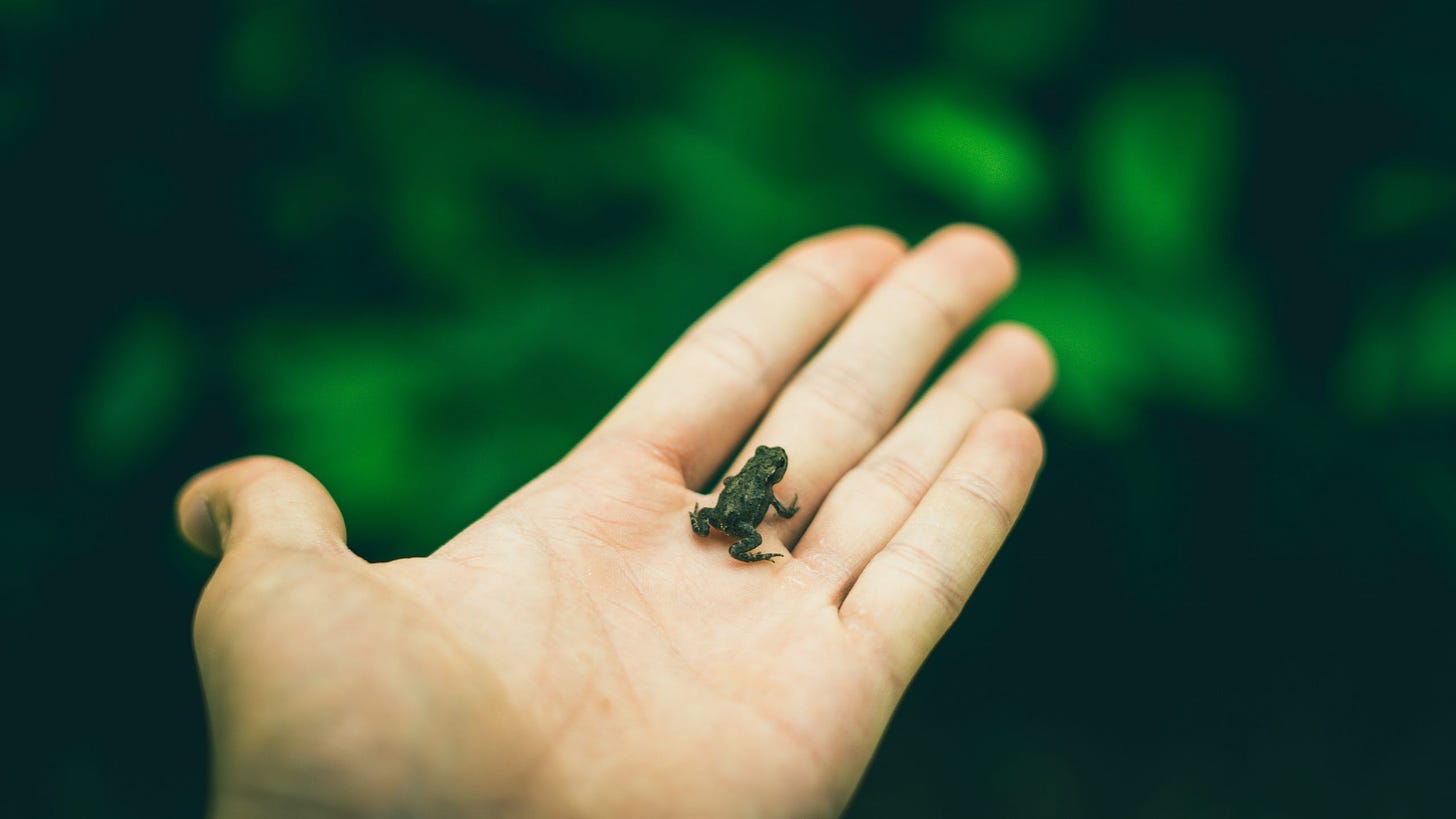
a human hand holding a very small frog
Photo by Yoel Kamara

In the age of the “woke,” killing your ego has probably jumped to the top of your to-do list.

That pesky ego, you’ve got to be rid of it!

After all, how will you reach enlightenment with that presumptuous balloon of self-satisfaction swirling around your personality? Somebody’s getting too big for their britches.

Who the hell do you think you are, anyway?

Where’s your humility?

Humility is defined as “a modest or low view of one’s own importance.”

It’s good to have humility. It’s good to know that you’re small, relative to the vastness of the universe. It’s good to know that you’re not omniscient or omnipotent. You shouldn’t be expected to know or to do everything.

The kind of humility that makes you sure you aren’t qualified to perform brain surgery, the kind that reminds you to listen as well as speak in a conversation, the kind that lets you hear what other people have to teach you; that’s the kind you want.

It’s not about thinking less of yourself, right?

It’s about thinking of yourself less.

Worry about others. Be grateful for what you have. Being humble is always a wise choice, right?

How could any of this be bad advice?


It seems like the world is always encouraging us to cut ourselves down to size, but in my humble opinion, being humble isn’t always the best policy.

I’m here to introduce a new concept:

Toxic Humility

Do you sing in the shower?

I do.

Guess what: I don’t sound like Celine Dion. And I’m guessing you probably don’t either. Does that mean it’s not okay for me to enjoy the sound of my own voice, or for you to enjoy yours?

What if you look down at your body in the shower?

What if you think for a moment, *gasp*

“I’m attractive”?

That would be wrong, wouldn’t it? Self-obsession, vanity, conceit, ego.

Oh no, now you’re appreciating your new bathroom tile! Materialism! Your list of sins against your humble higher self is getting longer and longer, and you haven’t even had breakfast yet.

You might visualize Gandhi or Mother Teresa hovering above you in a cloud of ether, shaking their head and saying,

“tsk tsk.”

This is so not spiritual.

Why do you need to spend so much time humbling yourself, anyway?

After all, you probably weren’t even that great, to begin with.

There’s always going to be someone faster, stronger, smarter, or prettier than you. Everything you’re good at– there’s somebody who can do it better.

Also, the culture and economy that surrounds you is basically a giant conspiracy to tell you that you suck.

You’re not as strong as that athlete, but take these supplements and hire this trainer you might get close. You’re not as pretty as that model, but if you buy these clothes and wear this makeup, you might get close. You won’t ever be a famous millionaire, but you can read about famous millionaires and dream about what it would be like to live their lives.

The more you hate yourself, the easier it is to sell you things.

Maybe that’s why most of us hate ourselves, quite a bit of the time, more than we admit, to ourselves or to others.

We don’t want people to know we hate ourselves, but it’s leaking out anyway.

Self-deprecating humor is becoming popular these days. Popular to the point where joking about being suicidally depressed has become almost the norm. It’s all over the internet. We’ve all seen the memes– and we’ve all read the writing on the wall.

It’s just not cool to think you’re cool anymore.

…Except, you are, aren’t you? At least sometimes.

You were pretty cool when you helped your friend move. That was a lot of boxes you carried. You were rad when you learned that new oboe song. Remember when you couldn’t even play a scale?

That time you bought a sandwich for a homeless lady? I mean, you’re not Jesus or anything, but isn’t it ok to be proud of that?

How about when you graduated from college? Pretty groovy. The day you got that promotion? Weren’t you the friggin cat’s pajamas then?

Do you humble yourself to avoid making others uncomfortable?

If you’re making it obvious that you’re great, other people might not feel as great about themselves. Jealousy is frustration with something that you yourself lack, and others seeing you with what they wish they had won’t always make them friendly.

You might remember this from grade school.

You’re not smart, you’re a “know-it-all,” and you’re not well-behaved, you’re “teacher’s pet.” Maybe not everyone needs to know that you got an A on your spelling quiz. Don’t you want to have somebody to eat lunch with?

It’s natural to want to reign it in a bit. You wouldn’t want to make others uncomfortable. It’s a good instinct. Nobody likes the guy who only talks about how awesome he is.

Of course, you don’t want to be that douchebag– but it’s also possible to swing too far to the opposite end of the arrogance spectrum.

Sometimes we don’t want to be exceptional because we want people to like us. If we are good at things, or if we’ve done something good, or if there’s something inherently good about us, that makes us different, and this could be threatening to others.

Because what makes us exceptional also makes us different, we might end up destroying the best things about ourselves to satisfy our impulse to conform.

If you’ve threatened others in the past by being extraordinary, you might have some idea of what I’m talking about. You might have let this hold you back from trying things, or doing things, or being things.

You might have developed a bad habit–choosing the comfort of the people around you over your own freedom to be authentic and free.

Always putting other people first and neglecting your own needs doesn’t help you or them. It’s also just as egotistical as always putting your own needs first.

Not only are you selling yourself short when it comes to the things that matter to you, but you might even be allowing yourself to harbor resentment against others for something you’re doing.

This isn’t to say that there aren’t people who will take advantage of the space that you free up by keeping yourself small — but anything negative you feel towards them will only hurt you, and will undeniably be caused, if indirectly, by you.

Ironically, the person that you’ll turn into by trying to please others is probably not the person you thought they would like in the first place. Nobody likes a sychophant- they’re just as bad as the Chad who can’t stop patting himself on the back.

Come to think of it, these two archetypes really are peas in a pod, aren’t they?

There will always be the kind of person who thinks so highly of themselves that they believe they deserve everything, and there will always be the kind of person who thinks so lowly of themselves that they believe they have to give everything to the person who thinks highly of themselves.

From the outside, each of these characters might look like a hero, or a villain, at times. A martyr, a traitor, call them what you want; the truth is– they’re both doomed to suffer in the roles they’re playing.

You don’t want to be either of these people.

It’s true that you’re not above anybody. But you’re not below anybody, either.

It’s okay to try hard, it’s okay to be good at things, and it’s okay to be happy when you succeed. It’s okay to take pride in your skills and talents. It’s okay to think you’re smart. It’s okay to think you’re pretty. It’s okay to like yourself.

This isn’t an excuse to be greedy, to brag, or to otherwise be a jerk.

This is permission to let yourself be awesome; without any anxiety about how that might make others feel. If you’re making other people feel bad by being the best version of yourself, then they are the ones with the problem, not you.

Don’t shrink for them.

Take up space.


Originally published on medium.com on September 11th, 2019. 

Mentally Ill People Are Not Inherently Violent and Dangerous 


Negative stereotypes place vulnerable people at higher risk 

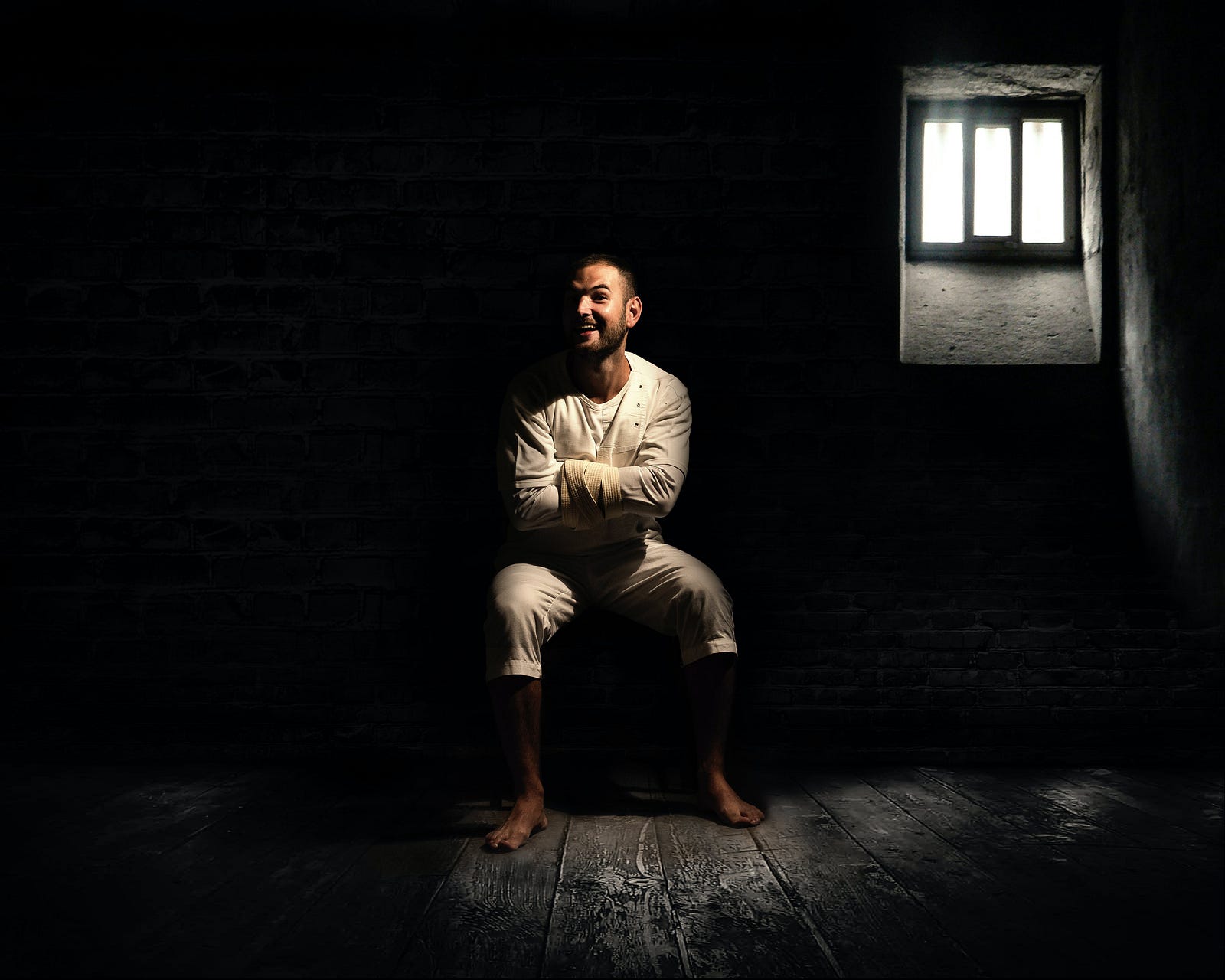
man in straight jacket and laughs to himself with a disturbed look on his face in a darkened room with one window and a small amount of light shining through the window
Photo by Marko Garic 

Billions of people worldwide suffer from mental illness. 

While it’s true that people with mental illness are more likely to be violent than the general population, they are also more likely to be violently victimized than the general population. In fact, the average mentally ill person is more likely to be violently victimized than they are to be the perpetrator of violent acts. If they have some other identity characteristic that is stigmatized, like if they are black or trans, the risk gets even higher.

The images of mentally ill and otherwise neurologically disabled people presented by the media aren’t helping the situation. Mentally ill people are often depicted in a dehumanized way, as evil villains or as monstrous, beastly, out-of-control characters who are disposable to plot lines by virtue of their differences.

Mentally ill people are also often portrayed as helpless victims. This false dichotomy obscures the reality of mental illness. As someone who suffers from mental illness myself, I know that the vast majority of people who do are pretty normal people. Most of us aren’t scary monsters or scared, witless adult children, regardless of how we are portrayed in the media. 

The media demonizes common mental health symptoms like psychosis, hypersexuality, or self harm, feeding into social stigmas surrounding these kinds of symptoms. This stigma makes it more difficult for people to talk about these symptoms. This makes it more difficult or frightening for people to seek treatment, which then leads to less people getting help for their illnesses. 

We have to accept the reality, as mentally ill people, if we want to be functional, that we are both more likely to be dangerous, and more likely to be placed in dangerous situations. It’s also good for us and the people around us to have an awareness of how these realities affect our lives and how they can best support us for our own good, their own good, and the good of everyone around us. 

Mentally Ill People Are More Likely to be Assaulted

Studies show that mentally ill people are more likely to be physically abused or sexually assaulted than the general population. We are also often targeted for property crimes, such as internet or phone scams that also target groups like the elderly. 

Mentally ill people are more likely to be targeted for such crimes for multiple reasons. One of these is that, because mentally ill people are perceived as violent, it’s easier for an abusive person to blame their violence on the mentally ill person who is their victim. Mentally ill people are seen as less credible in general. We are less likely to be believed if we go to the police or to anyone to report a crime. 

Mentally Ill People Are More Likely to be Shot by The Police

It’s estimated that between about one quarter and one half of all fatal police shootings involve someone with a mental illness. People with untreated mental illnesses are possibly as much as sixteen times more likely to be killed by law enforcement

In a police encounter, it may be difficult for an officer to determine whether or not a person with a mental illness really is or isn’t a violent threat. This problem is exacerbated by racial factors.

 Bad public policy creates a vicious cycle 

A lack of public resources for things like mental health, housing, and addictions contributes to these problems. 

When mentally ill people are violent, or when we become so sick that we are unable to care for ourselves, we often become the responsibility of the state. The state often seriously fumbles the care of vulnerable people with mental illness or other disabilities. 

If someone doesn’t get treatment for their mental illness, often it will get worse. And if they are arrested for a violent crime or another crime due to their mental illness, incarceration often makes things worse instead of better. The standard of care for people with mental illnesses in jails and prison is very low. According to NAMI, around two thirds of people with mental illness don’t get proper care while incarcerated.

Fight the stigma 

It’s vital to make sure that mentally ill people receive a high standard of care. 

When people with mental illness receive a high standard of care, we are less likely to become dangerous towards ourselves or anyone else. We are also less likely to end up in danger ourselves. The best way to make sure that we get the care we need is to help the world see us as fully human and deserving of the same level of respect as other humans. 

Remember that the schizophrenic man you see shouting racial slurs on the street corner is still a person. So is the woman who is huddled in an empty store doorway wrapped in wool blankets and talking to herself. So is your co-worker who has emotional outbursts. So is your family member who is so depressed that they can’t get out of bed. 

We don’t stop being human because we are sick. Being sick isn’t a moral failing, or at least not a moral failing of the individual who is sick. Civilization is built on cooperation towards common goals, like the safety-and well being of everyone. If we cannot help people who are sick or otherwise incapacitated live healthy, normal lives, we are failing as a civilized society. We are failing at the very thing which makes us a civilized society.

The Overwhelmingly Vast Majority of Hindus Are Not Nazis 


Stop confusing the two!

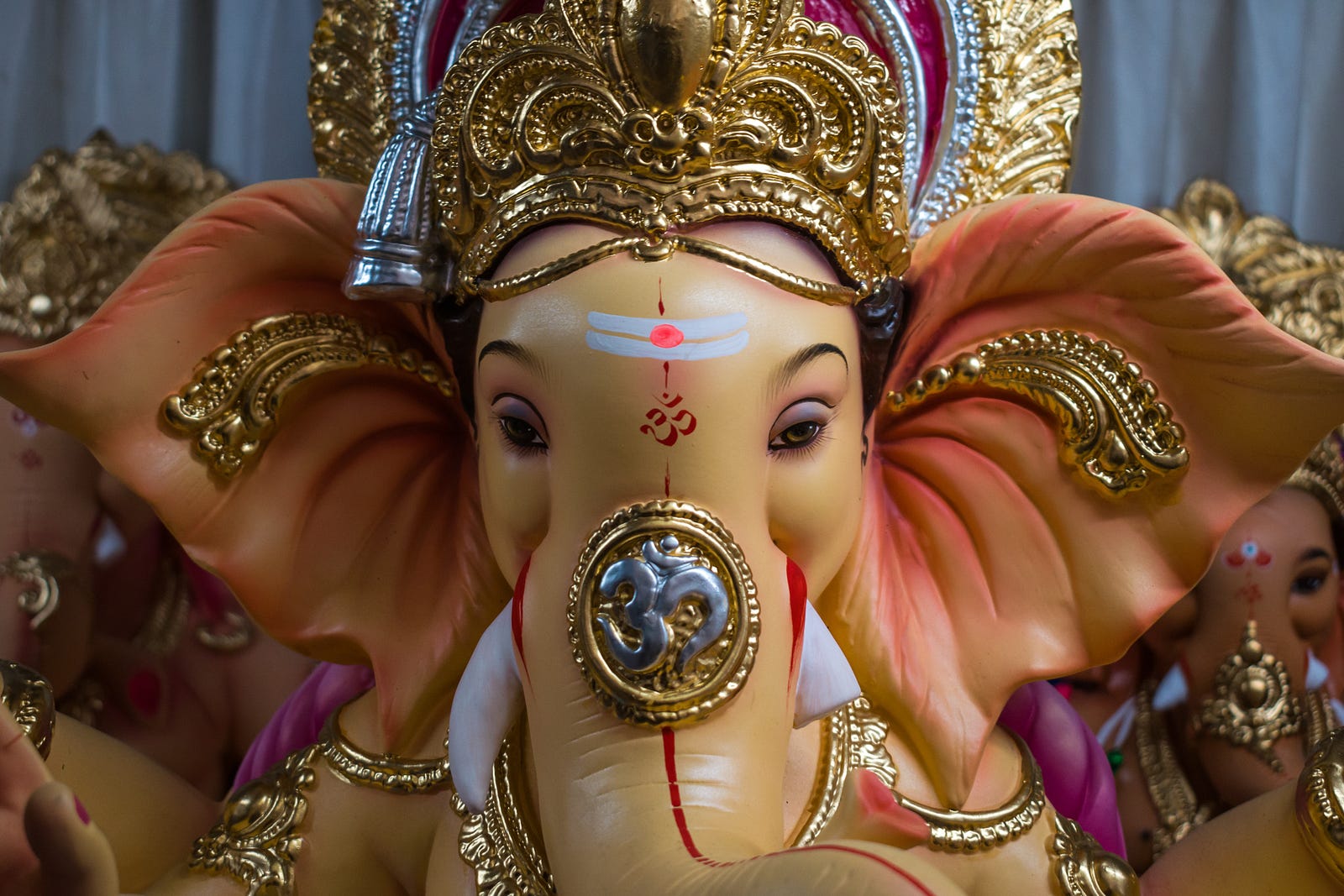
very pretty statue of lord ganesha
Photo by Sonika Agarwal

Explaining my religion is complicated. I was raised Wiccan or Neo-Pagan, and my family on that side is mostly Catholic. My family on the other side is mostly Protestant. I am a practicing Hindu. 

I came to be a practicing Hindu, not through simply deciding to be a Hindu, but by pursuing religion and spirituality in an abstract way, which led me, ultimately, to religious beliefs and practices that were consistent with Hinduism. I explored the world, I explored different spiritual practices, and I ended up repeating the ones that worked for me the best. Gradually, I found myself doing things like chanting traditional Hindu mantras and praying to Hindu Gods, and I began to identify as a Hindu. 

My current religious practices are a mix of how I was raised, Neo-Pagan practices, and the religion that I found on my own spiritual path as an adult, Hinduism. My Hindu practices are mostly consistent with a branch of Hinduism called Shaivism, and with a branch of Buddhism called Vajrayana Buddhism. I learned from research, after adopting many of my current practices, that my Buddhist practices have pretty obvious roots in ancient Vedic Hinduism. I’m also into Chaos Magic, but I don’t think that’s inconsistent with any of my other beliefs.  

I went on a quest to learn about the religion that I had found I was already practicing, because I wanted to engage with it more fully with on a spiritual level. On my quest, I did a bunch of research about Hinduism. I found it to be strangely associated with Nazism, largely through the influence of the philosopher Friedrich Nietzsche on a woman named Savitri Devi and Devi’s influence on Hitler and the the Third Reich. 

I no longer buy the narrative that Devi was Hitler’s Nazi priestess or the idea that that Nazism has any real roots in Hinduism. Nazism is built, in part, on horrific misinterpretations of Hindu philosophy, which honors the cycle of death and rebirth and the unique roles that living beings play during their time on the planet Earth. 

My theory is that Devi was basically Hitler’s hostage, and that her real beliefs about the world were twisted by Hitler to fit his Nazi ideology. Either that, or she became confused, as Nietzsche had been when learning about Eastern philosophy through the influence of the philosopher Arthur Schopenhauer. Schopenhauer studied Eastern philosophy, and one of his main takeaways was an Eastern interpretation of the concept of compassion. 

Compassion in Eastern traditions is a kind of compassion that more deeply understands the experience and mindset of the individual who is not oneself. Compassion in Western traditions is often associated with submissiveness and cowardice, and not honored or explained in quite the same way as it is in Eastern traditions, except maybe, through Western religions, sometimes. There are similar concepts of compassion and peace in Christianity, for example. 

Devi and Hitler, like many Hindus, were vegetarians. It would seem that they had some kind of compassion for the natural world. And yet, Hitler’s regime led to the torture and slaughter of millions of people.

This isn’t the kind of thing that my Hindu or Buddhist practices advocate for, and the confusion of the two, in my opinion, should be included in the list of Nazi crimes against humanity, as this kind of cultural erasure is, in itself, an act of genocide. The swastika, for example, which is important in Hinduism and also exists in many other cultures, has now come to globally symbolize Nazi philosophy. 

Hinduism, and the many Eastern faiths that have been spawned by its ancient Vedic roots overwhelmingly focus on practices of peace, nonviolence and self-discipline. Philosophically, they tend to focus on the importance of cultivating of love, compassion and understanding for all living beings on Earth. 

The self-discipline and personal growth aspects of the Hindu faith, I think, are where the Nazis began twisting Hindu philosophy to fit their nefarious ends. One theme in Hinduism is repetition, like the repetition of mantras and certain tasks. This kind of repetition leads to the kind of mastery of different skills or disciplines that would be valued in Nazi philosophy. This kind of repetition in the natural world leads to literal evolution. Practice might not make “perfect,” as they say, but you can’t deny that you usually get better at something if you do it a bunch of times. 

Evolution, I think is what the Nazis were attempting to force with their torture and killing of millions of people. I don’t think that their propaganda and ideology, which attempted to convince the world that huge populations of people were worthy of indiscriminate punishment based on their immutable physical characteristics or social classes alone, expressed their true goals. Their true goal was to place stress on humanity and to traumatize it in such an irrevocable way that it would be forced to evolve in a new direction. The cruelty itself was the point. 

If the Nazi goal was to create a version of humanity that was objectively better, I don’t think the path they chose to get there was effective. Humans, because of our powers of self-reflection and our ability to plan for the future, are different from the vast majority of living beings on this planet. Because of our differences we wield immense power. Massively traumatizing us, as through war, will not necessarily cause the kind of evolution we want. Sometimes trauma causes growth in people, but much more often it makes them terribly ill. 

War has made us sick as a species, and further traumatizing us through further wars will not force us to evolve fast enough to save ourselves from ourselves. We need to find a different approach to reigning in the chaos of humanity. War is everywhere. It’s even in the streets of my hometown, and it could always come to the streets of yours. 

We will not solve the world’s problems by torturing the populace. Every act of torture is an experiment, and every failed experiment runs the risk of becoming an act of terror or a horrific crime against humanity. Torturing people might make them stronger or more compassionate sometimes, but it’s a high stakes gamble. That’s not a bet that I’m willing to take for the sake of creating a better or stronger humanity. It doesn’t seem like it will work! 

People often get confused and think I’m a Nazi because I’m talking about Hinduism, or about Nietzsche or Schopenhauer or because they see the Hindu symbols tattooed on my body. I’m not really offended by this misunderstanding because I understand where it comes from, but I think it’s a shame that Westerners are being deprived of the wisdom that my religion and other religions like it have to offer by these unfair negative cultural associations between Hinduism and Nazism. 

Colonization in the East by the West began in ancient times and the warping of these traditions by the West has continued since then. It’s almost like the power of real, authentic love and compassion that is behind these traditions is too much power for the colonial West to allow anyone to hold besides itself. 

For the record: Hindus are not Nazis. 

We are mostly peaceful, and we often even take our peacefulness to extremes. I’m an extremist in some ways, and I know that means I won’t always get along with everyone. But I’d rather be an extremist for love, compassion, and peace than an extremist for hatred, bigotry, and war, and I just want to make sure that everyone knows which one I am. 

I Will Not Die For Your Stupid War


You gross old war pigs

child wanders through war rubble
Photo by Jordy Meow

We are literally at war with Russia right now. Take it from me. My grandpa literally fought the Nazis! 

You could call it a “proxy” war, because we are providing weapons to Ukraine, which Russia has invaded, but that does not make it any less of a war between Russia and the United States. 

We have a history of doing stuff like this! We arm one side of a conflict when we believe that it benefits our interests as a country. Sometimes we even arm both sides of a conflict and make ridiculous profits from selling weapons and construction contracts to rebuild the cities that are destroyed with American-made bombs. 

When I was a kid, my mom took me to anti-war protests and she made sure that I knew the phrase “conscientious objector.” She made me repeat that phrase back to her. 

My mom grew up during the cold war. She, like many members of my heavily military family, knows that war is always a possibility. She also knows that the last thing that someone like me wants is to participate in a war. 

I’m going to say it right now, because I want to make myself absolutely clear. 

I am not going to die for your war, you gross old war pigs. 

I am not going to sign up to get blown up or blow up other people so that you can secure access to natural resources or settle some old score among the lizard-brained overlords who treat the planet I live on like some kind of macabre chess board. 

I am not going to carry an assault rifle and use it to shoot kids or people who are adults but who already look like kids to me, at the ripe old age of thirty. 

I am not going to participate in propaganda campaigns smearing Russia and China as evil communists who need to be liberated by American freedom. It is reasonable to criticize the domestic and foreign policies of these countries, just as it is reasonable to criticize the domestic and foreign policies of this country. 

What is not reasonable is playing a gigantic game of Chicken or Russian Roulette with nuclear weapons pointed at all of our heads. 

I will not die for your war, you sick fucks. 

I’m staying home. 

You Can Survive Anything


And you should

mountain towering over ocean, cloudy grey sky
Photo by Yuriy Rzhemovskiy

On January 15th, 1915, Endurance became frozen in an Antarctic ice floe. By February, expedition leader Ernest Shackleton realized the ship would be trapped until spring. He ordered that the ship’s normal routine be abandoned, and for his men to prepare to hunker down for the remaining months.

The ship was not free by spring. By October, it had begun to sink, finally sliding entirely beneath the surface on the 21st of November.

For two months, Shackleton’s men lived on a large, flat, floe of ice; hoping that it would drift towards nearby Paulet Island, 250 miles away. The crew ate the blubber from seals they killed and did their best to guard their digits against frostbite. They eventually moved to another floe after failed attempts to march across the first towards the island.

By the 17th of March, 1916, the new “Patience Camp” had drifted within 50 miles of the island, and on the 9th of April, the men attempted to reach it in lifeboats. Five days later, after 497 total days living on ice and at sea, the men landed their three lifeboats on Elephant Island, 346 miles from where the Endurance sank months before.

Since Elephant Island was far from any shipping routes, and rescue was unlikely, Shackleton planned another expedition in the James Caird, the most seaworthy of the 20-foot lifeboats. Shackleton knew that if he and his five chosen companions did not reach South Georgia within four weeks, the rest of the crew would be lost, so he refused to pack supplies for any longer than that amount of time.

After fifteen days of sailing and hurricane-force winds, the crew finally landed on an unoccupied southern shore. Their journey continued as Shackleton, Frank Worsely and Tom Crean crossed 32 miles of unforgiving terrain, armed with only boots into which they had pushed screws, carpenter’s adzes, and 50 feet of rope for scaling the icy mountains.

36 grueling hours later, the men reached the whaling station at Stromness, securing rescue for everyone. 24 of the 27 men in the original crew survived the long ordeal.

While many things about this story are astounding, the fact that stands out to me the most is that Shackleton planned another expedition to Antarctica later in life, still brave enough to return after his previous nightmarish experience.

Some of the former crew of Endurance even signed up to go back with their former boss. I couldn’t believe it when I read this; after all that, how could they go back?


It’s true that you never really know how strong you are until being strong is your only choice. This situation is something to be embraced, not feared.

I remember something a friend said to me once, while we were both being paid minimum wage to shovel manure for ten hours a day.

“It builds character.”

At the time, the phrase was just a little comic relief in an unpleasant moment, but in retrospect, I can see how wise it was.

I had the good fortune of first reading about Shackleton while I was doing another job involving intense labor in tough conditions. A youth crew building and maintaining wilderness trails, we camped at a high elevation near Crater Lake. It was unusually cold for autumn, and it soon began to snow and hail.

While shivering in my sleeping bag in a drafty tent after a day of hauling gravel uphill in a wheelbarrow, I thumbed through the pages of Endurance, Alfred Lansing’s account of Shackleton’s journey. Reading the story with numb fingers by the light of my headlamp, I felt grateful. “At least I still have my fingers,” I thought. “And my lamp is battery-powered!”


Life will always contain suffering, and suffering will always be relative. You might find, as I have, that your own suffering seems smaller to you the longer you spend out in the cold. If you focus on surviving, you might find that you begin to drift towards safer shores.

It’s easy to be afraid of what might happen in the future or to worry that you can’t handle what is happening right now. It’s important to realize that this kind of ruminating does nothing to help us. We’re better off kindling a fire and getting ready to roast whatever kind of seal blubber happens to be on the menu today.

You don’t have to be an explorer to know that being a human is terrifying, and it always will be– but it’s not all bad.

Yeah, you might end up losing a toe to frostbite, but you’ll probably also have some great stories to tell. There might not be many uncharted lands left on this planet, but life is still an adventure. Treat it like one.

Take a deep breath, stand up straight, and sail your ship straight into the frozen wilderness of life.

It builds character. You might even decide to go back for seconds.


Originally published on medium.com on August 20th, 2019. 

The Eurocentrism of Academic Philosophy


How an imbalance of cultural perspectives robs the next generation of thinkers

a model skeleton posed so that it looks as if it is thinking
Photo by Mathew Schwartz

In their New York Times opinion piece, “If Philosophy Won’t Diversify, Let’s Call It What It Really Is,” Jay L. Garfield and Bryan W. Van Norden made a strong argument illustrating the current lack of cultural diversity in academic philosophy curricula.

The two professors provide a troubling piece of evidence:

“Of the top 50 philosophy doctoral programs in the English-speaking world, only 15 percent have any regular faculty members who teach any non-Western philosophy.”

This issue alone seems big enough to be cause for alarm, but the authors also raise several others, like the facts that “of the 118 doctoral programs in philosophy in the United States and Canada, only 10 percent have a specialist in Chinese philosophy as part of their regular faculty,” and that “no other humanities discipline demonstrates this systematic neglect of most of the civilizations in its domain.”

Garfield and Van Norden proceed to exhaustedly declare that it would be futile to rehearse arguments for greater diversity one more time,” because of the apparent commitment of the academic philosophy community to its Eurocentric perspective.

They continue with an ad absurdum argument, suggesting that any philosophy department offering courses in only Western philosophy declare its true intentions by renaming itself “Department of European and American Philosophy.” While amusing, this argument is not particularly compelling.

I disagree with Garfield and Van Norden in their assertion that it is the “intention” of the philosophy community to teach a curriculum heavily weighted towards Western thought. Instead, I believe this situation to be a lingering side effect of broader and more complex systemic issues.

Everything in our world needs constant updating as our cultural and global values evolve. While other academic disciplines do appear to be leaving philosophy in the dust in their pursuit of diversity, this is not intentional, but is rather due to the common nature of those who choose a life of contemplation: we often consider it to be superior to a life of action.

This trait is often disappointingly revealed in our all-too-frequent unwillingness to act. It’s not that a majority of us within the discipline stubbornly refuse to change, it’s that we are often paralyzed by own analysis and that we are prone to make excuses for ourselves on that basis.

I also disagree with Garfield and Van Norden’s claim that to continue to argue for diversity is “futile.” Not only is it worthwhile to argue this point, but it is also our specific responsibility as philosophers to argue such points.

As John Stuart Mill explains in On Liberty:

“A person may cause evil to others not only by his actions but by his inaction, and in either case, he is justly accountable to them for the injury.”

We in philosophy must hold ourselves justly accountable for the injuries brought about by our inaction. As philosophers, we cannot condone this kind of intellectual or moral laziness, as this is the antithesis of every goal at which philosophy has aimed throughout history.

Garfield and Van Norden conclude their case with a Stoic adage: “The Fates lead those who come willingly, and drag those who do not.” It is true that those sticks still stuck in the mud are likely to find themselves “dragged” forward into a more diverse future; but what about those of us who would come along willingly?

There are some obvious consequences of keeping things the way they are, like supporting an overall cultural narrative rooted in xenophobia, and further marginalizing the groups whose ideas have been left out of the discourse. However, there’s another group being cheated by this paradigm: philosophy students.


When an LA Times op-ed asked why it was that “Like the Oscars, #PhilosophySoWhite,” it wasn’t just a question of “political correctness,” but a cry for correctness in cognition. The authors of this article, Myisha Cherry and Eric Schwitzgebel, cite troubling statistics regarding the lack of diversity in philosophy departments, like the fact that only 28% of philosophy PhDs are women, and only 2% are African-Americans. They go on to explain a possible reason for why this is:

“It’s not that white men are innately better philosophers than women and people of color. It’s that white men have better command of the cultural apparatus of seeming smart.”

In a culture with many conditions that favor white men, it’s much easier for white men to appear wise and insightful. Illogical as it obviously is, this appearance is key when it comes to getting recognition in academic philosophy circles. The fact that our archetypal image of a philosopher is a white, Western man hurts the credibility of anyone who doesn’t fit that mold before they ever speak.

We are committing a collective ad hominem fallacy by poisoning our own well of ideas. This must certainly discourage women and minorities from entering any debate. While this is bad news for these groups in both the context of the philosophy community and the world at large, it’s also bad for everyone else in philosophy, and as a result, bad for society.

We are ironically sabotaging our own community and culture with our own bad logic. “Before you listen to her, let me remind you that she’s been in jail…”

Even if we completely ignore the race and gender-based political implications of what is happening here, we are still left with other ethical issues, as well as practical ones.

We shouldn’t change the academic philosophy narrative just because refusing to do so is racist, misogynistic, archaic, and wrong; we should do it because there is an undeniable intrinsic value to cultivating broader views of life in our society’s future thinkers, as well as to cultivating diversity in the pool of said thinkers.

Without politicizing the issue at all, in maintaining the status quo we are still guilty of failing to do our jobs as seekers of truth. The motto of my university is, “Let knowledge serve the city.” We are failing to facilitate this, though ours is the department that is perhaps most concerned with how knowledge serves us.

I, myself, serve as an example of someone who was frustrated with the lack of cultural diversity in my department’s curriculum even before I started reading the opinions of others on the subject. There are many parallel ideas across cultures, and exploring their similarities and differences can help us to better understand the nature of human thought.

Excluding non-European thought from the academic philosophy narrative doesn’t just hurt the interests of non-Europeans overall, it also hurts the ability of students like me to learn the thinking skills which we are studying philosophy in order to obtain, and narrows our perspectives of the world. These are serious consequences when it comes to nurturing our minds, because our minds will be responsible for passing on the legacy of humanity’s centuries-old pursuit of wisdom.


The ancient Aztecs believed that a good life is a life spent doing what is worthwhile. It was a common aphorism in their culture to say that the earth was “slippery.” They thought it was unrealistic to live a life in which we are expected not to make mistakes.

According to philosophy professor Sebastian Purcell:

“The Aztecs held, in short, that it’s unrealistic to think that anyone can lead a perfectly good life, one in which you never slip up. A better goal, then, is to try to lead a rooted life, which they called neltiliztli: literally, rootedness. In this kind of life, one is able to manage the mistakes and slip-ups well, rather than avoid them altogether. The reward is not happiness necessarily, but the promise of a worthwhile life.”

Purcell goes on to mention that public drunkenness was severely punished in the Aztec capital. Nobles could even be put to death for such careless behavior. Among my own friends, when someone behaves carelessly like that, we say that they are “slippin’.”

According to Urban Dictionary, this colloquialism is defined as, “Off guard, not paying attention to your surroundings and not putting in the right effort.”

Philosophy: You are slippin’.

Those of us who have chosen the contemplative life have a responsibility to ourselves and to the world to relentlessly pursue knowledge. In this worthwhile pursuit, we must learn to manage our mistakes.


Originally published on medium.com on December 9th, 2019. 

Your Gut: The Original Brain


Unwinding the mysteries of our bowels

a woman’s exposed midriff
Photo by Şahin Yeşilyaprak

You know the expression “go with your gut?” Have you ever made a decision based on a gut feeling? How about butterflies in your stomach– have you ever had those? Ever been so nervous that it made you nauseous? Have you ever hated someone’s guts?

You aren’t imagining things– there’s actually some pretty interesting science suggesting that our guts and brains are connected in ways that you may have never thought possible. We really do feel emotions in our digestive systems, so it might make sense to pay attention to your gut feelings.

I recently watched a documentary about the marvels of the human gut and its connection to our minds and emotions. Intrigued, I decided that I wanted to find out more.

I did some reading about the gut-brain connection and compiled some facts that I think are useful to know:

The gut was the original brain

Eukaryote cells first started figuring out how to digest things about two billion years ago, during the Proterozoic Era.

Some of the Earth’s earliest multi-celled organisms consisted of basically only a digestive system shaped liked bags two cells thick. These later evolved into tube-shaped creatures like roundworms. Stomachs started evolving around the end of the Proterozoic, about 542 million years ago.

Human fetuses start out looking like a primitive gut as well, around the 16th day of development. It almost seems like having a gut is more essential to being a living organism than having a regular brain.

The gut has its own nervous system

Did you know that your stomach’s brain has as almost as many neurons as an entire cat?

As powerful as the brains of many small animals, the enteric nervous system is a spiderweb of 500 million neurons that rule the gastrointestinal tract.

The ENS is smart enough to act independently of other systems like the sympathetic and parasympathetic nervous systems, and is often called “The Second Brain.” This brain usually communicates with your other brain through the vagus nerve– but can still operate even if the vagus nerve is severed.

The gut and the brain are connected

There’s so much biochemical signaling going on between your belly and your noggin that there’s even a name for the system: the gut-brain axis.

The vagus nerve is the largest lane on the gut-brain superhighway, sending signals in both directions. The connection is strengthened by chemicals called neurotransmitters, which produce feelings and emotions in the brain.

Gut microbes make chemicals that affect the brain

The huge population of microfauna in your gut also produces many other chemicals that affect the brain, mind, and emotions.

Microbes play an important role in the immune system, controlling what is absorbed into the body and what is excreted as waste. They produce short-chain fatty acids and amino acids, which also affect the brain in a myriad of ways.

The connection is clear- the gut is essential in many processes that regulate our mood and emotions. If your gut isn’t healthy, it makes sense that you’re feeling bad in other ways.

You can care for your gut-brain connection

One way to help the health of your gut and brain is by consuming bacteria called probiotics.

A study found that feeding mice probiotics reduced the level of stress hormones in their blood. Another found a reduction of the stress hormone cortisol in humans after three weeks of a certain probiotic.

You can also eat a diet that benefits your gut-brain connection. Fermented foods like yogurt and sauerkraut contain beneficial microbes that can aid your gut, and high-fiber foods like seeds, nuts and vegetables can aid your friendly bacteria.

Eating Omega-3s like the ones found in fish, walnuts, and chia seeds can help your gut bacteria as well as reducing the risk of certain brain disorders.

Eating foods high in tryptophan like turkey eggs, and cheese can help your gut fauna make serotonin– a chemical that produces feelings of happiness and contentment.

In fact, about 90% of the body’s serotonin exists in the gut, along with about 50% of the dopamine. Dopamine is responsible for helping us regulate mood, attention, and emotional responses, as well as aiding us in taking action towards goals by affecting pleasure and reward systems in the brain.

Understanding how our bodies and minds connect is a powerful way to learn to care for both. Now that I know my gut and brain are connected, I’m going to pay closer attention to both my food and mood.

How about you?

Anyway, happy eating– and remember to go with your gut.


Originally published on medium.com on October 3rd, 2019.